A new dog-ageing study offers a way to examine biology beyond birthdays. For owners, the important distinction is between a research measurement and a decision about an individual dog's care. This Report reads the published abstract alongside the university's explanation and sets out what those accessible sources support.
What the researchers analysed
The original Science abstract, indexed by PubMed, reports 1,640 methylomes from 894 dogs. A methylome describes patterns of chemical marks on DNA. The researchers used those measurements to develop an epigenetic clock and examined how molecular ageing related to mortality, body size and sex. The paper was published on 8 October 2026.
The finding is a biological association
The abstract reports faster molecular ageing in larger and male dogs. Size-associated differences were especially marked at transposable elements, DNA sequences sometimes described as jumping genes. The authors identify these as possible mediators of size-related lifespan differences. Arizona State University's account also says further work is needed to determine whether their activity is a cause or consequence of ageing.
Keep the evidence limits visible
Our review covers the original abstract and university account, rather than a full independent reanalysis of the underlying data. The abstract states 894 dogs; the university release uses 864, a discrepancy these accessible pages do not explain. We use the paper's figure. Neither the reported association nor a research clock establishes how long one named dog will live, or shows that changing food, supplements or grooming will extend its life.
What UK readers can usefully take away
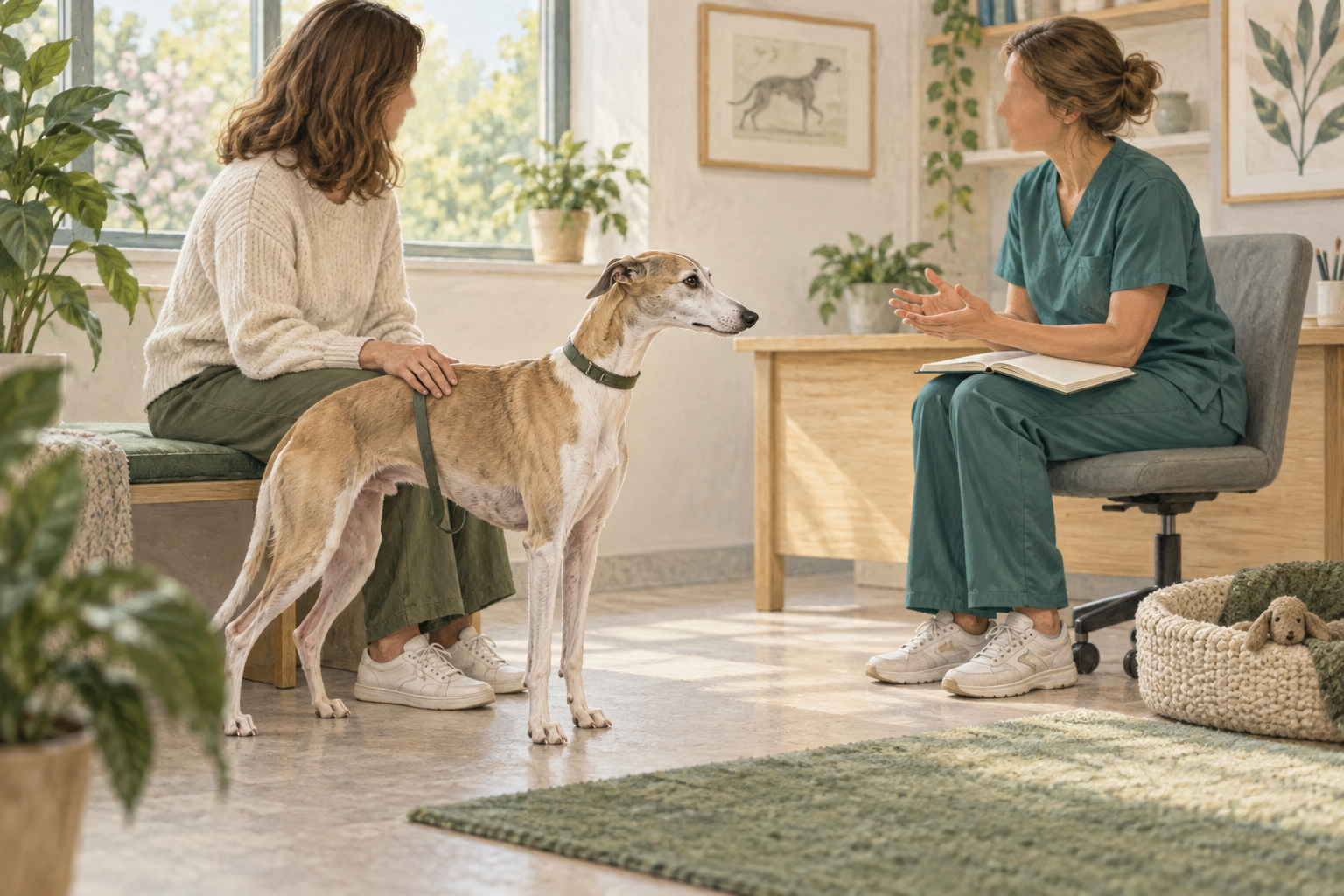
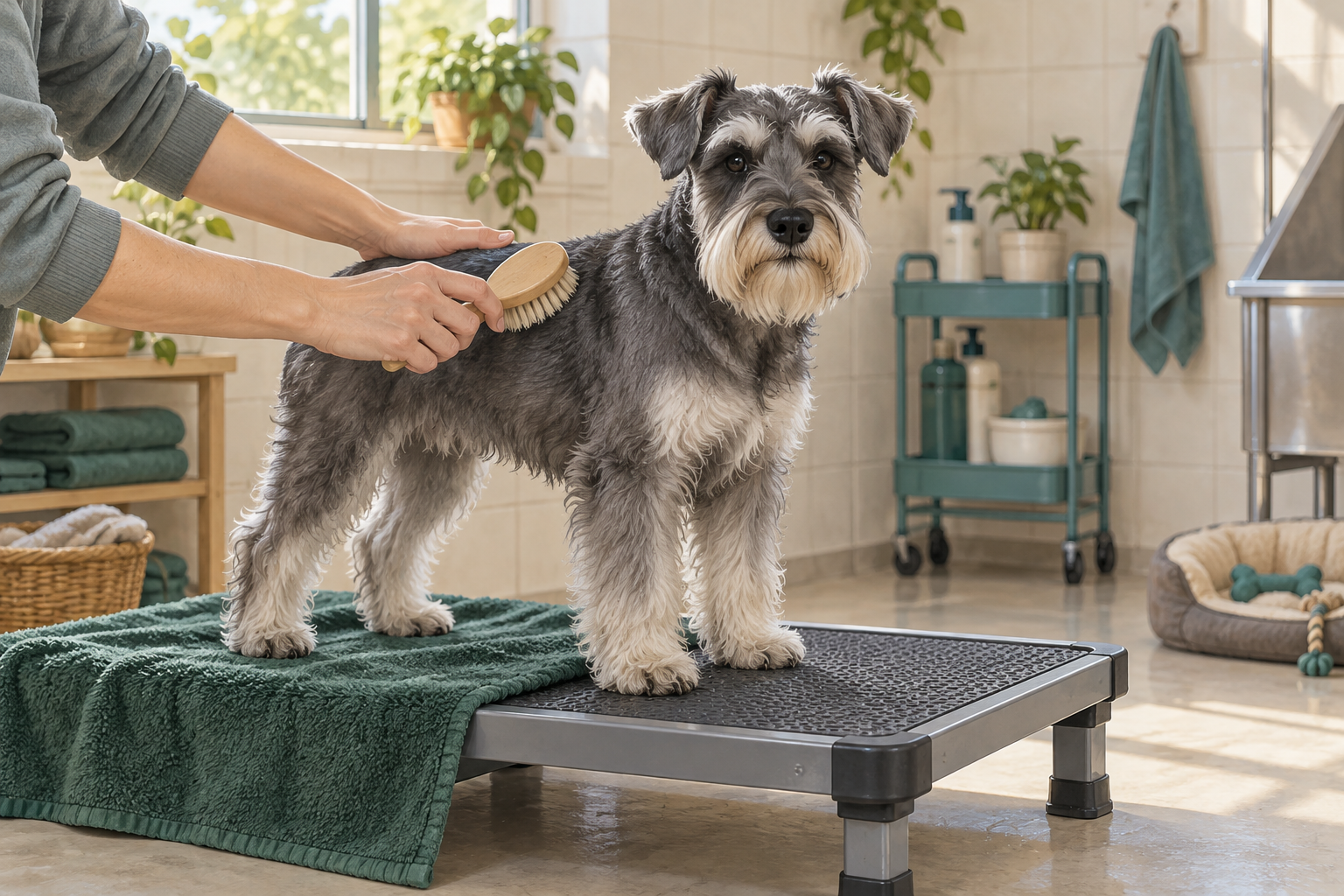
This US-led research is relevant to understanding companion-dog ageing; it creates no new UK care rule or approved treatment. An owner can bring a question about their dog's age and changing needs to a vet without treating a breed average as destiny. Groomers can keep conversations about comfort specific to the dog in front of them. Our appointment-planning guide helps organise those grooming questions, while the directory helps find contacts for current services.
Sources: Science, 8 October 2026, DOI 10.1126/science.aeb2986; ASU, 8 October. Checked 13 October 2026. Corrections: support@groomnear.com.