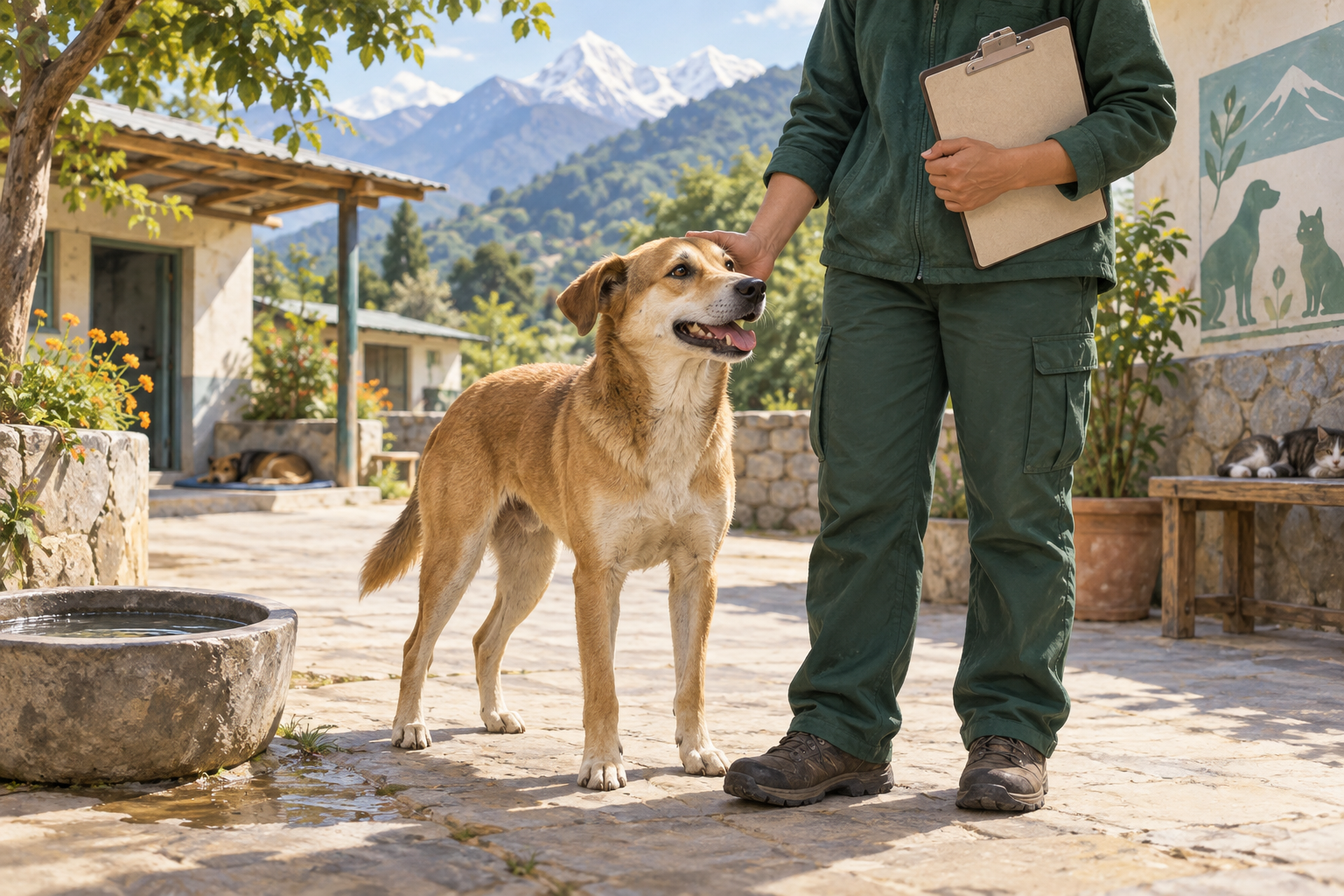
A public-health milestone can say something important about caring for dogs without meaning every risk has disappeared. On 4 September 2026, WHO announced validation of Bhutan’s elimination of dog-transmitted human rabies as a public-health problem. This Feature revisits that achievement; it is not a new October announcement.
Read the achievement at its stated scope
WHO’s release identifies Bhutan as the first country in its South-East Asia Region to receive this validation. It reports no human deaths from dog-mediated rabies since June 2023. Validation addresses that public-health outcome, rather than declaring every animal infection or future exposure impossible.
Dogs are part of the prevention system
WHO describes coordinated human and animal health work, dog vaccination, population management, community engagement and surveillance. It also records an independent assessment that included an August 2026 field mission. The lesson is about sustained systems of care, rather than one intervention or one celebratory day.
Keep prevention going after recognition
The World Organisation for Animal Health’s rabies overview explains the importance of dog vaccination and coordinated disease control. WHO says validation requires continued surveillance and preparedness for reintroduction. Recognition is therefore a reason to maintain the work, rather than wind it down.
What UK readers can take from it
Bhutan’s programme offers an example of how dog health and community health can be considered together. It does not alter UK law, pet-travel requirements or advice for an individual dog. For UK owners and professionals, the useful question is how routine care connects with qualified veterinary support. GroomNear’s appointment-planning guide can help organise a grooming conversation; directory listings are a way to contact groomers, not a source of medical clearance.
Sources: WHO, 4 September 2026; WOAH rabies overview. Checked 12 October 2026. Corrections: support@groomnear.com.