
A Hungarian herding tradition
The Puli belongs to Hungary's herding-dog traditions. The FCI associates earlier ancestors with pastoral communities arriving in the Carpathian Basin alongside migrating Magyars. That account gives cultural and working context without establishing every step of a continuous ancient pedigree.
Its modern identity is a lively herding dog with a specialised coat, separate from the Pumi and the much larger Komondor guardian. Similar-sounding names or cords can hide those differences. Understanding the original job and actual jacket is more useful than treating every Hungarian shaggy dog as the same type.
How the cords develop
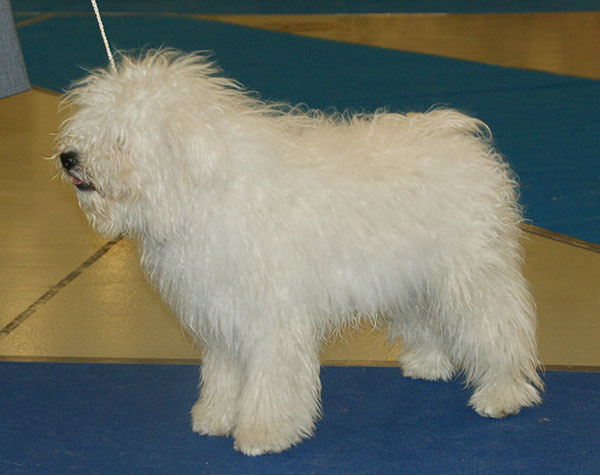
Puppies begin with dense wavy or curly hair. Coarse outer hair and finer undercoat then combine into cords or tassels as the jacket develops. Black is familiar, but grey, fawn and pearl-white forms also occur. The pictured white dog illustrates one recognised appearance rather than a different breed.
Learning and watchfulness
The standard's lively and willing-to-learn ideal should not become a promise of effortless behaviour or safety in every family. Appropriate tasks, predictable rest and rewarding cooperation help owners respond to a herding background. Introductions and handling still need to follow the individual dog's confidence and experience.
Care beneath the cords
Specialised hair needs an informed plan rather than either vigorous generic brushing or complete neglect. Discuss developing strands, skin checks and comfortable handling with an experienced groomer. Retained debris, unusual odour or pain requires attention; a natural-looking corded outline is not proof that the skin beneath is comfortable.
Plan comfortable care
Our gentle coat-care guide and first grooming appointment guide help you prepare questions about handling, maintenance and a suitable service. This breed profile is independent of named businesses.
Compare breed stories
Pumi.
Photograph and sources
The photograph illustrates one Puli. See the linked credit for its creator, source and reusable licence. It does not establish the dog's health, age or temperament.
Read the FCI catalogue entry and FCI breed standard. General care and handling guidance is available from PDSA and Dogs Trust.