
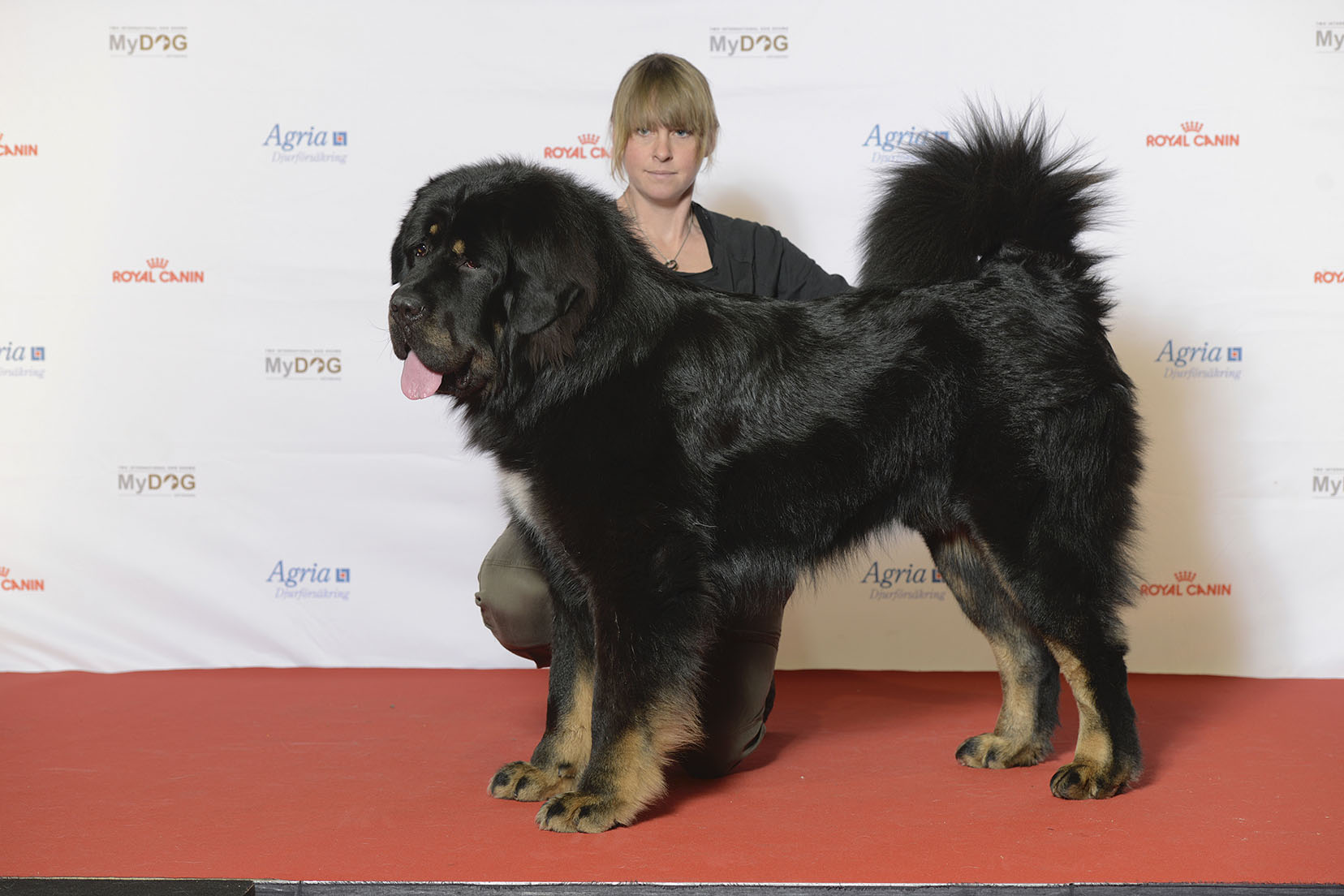
A guardian in a Himalayan setting
The FCI records the Tibetan Mastiff as Do-Khyi, number 230. Its account associates the breed with Himalayan nomad herders and the guarding of Tibetan monasteries, while acknowledging the myths surrounding its distant history.
A documented example of its arrival in Britain is a dog sent to Queen Victoria in 1847 by Lord Hardinge. That record is more specific than theories that the breed founded every other mountain dog or mastiff, which should not be presented as established ancestry.
Substance beneath a mane
The strong outline is enhanced by a harsh outer coat and a full neck and shoulder mane. Undercoat is denser in cold weather and can become sparser in warmer months. The standard values suitable texture rather than an exceptionally soft or excessive coat.
Independent guarding needs planning
Protection of family and territory is central to the breed description. Plan how visitors and professionals meet the dog, where it can retreat and how gates remain secure. Reward calm cooperation instead of expecting it to enjoy unrestricted contact with every unfamiliar person.
Care in daily life
Check the dense coat in small sections, including under the mane and around the hindquarters. Gentle handling and regular breaks are preferable to a prolonged struggle with accumulated undercoat. A groomer needs the dog's handling history before an appointment, and painful knots or skin changes may require veterinary advice.
Plan comfortable care
Our gentle coat-care guide and first grooming appointment guide help you prepare questions about handling, maintenance and a suitable service. This breed profile is independent of named businesses.
Photograph and sources
The photograph illustrates one Tibetan Mastiff. See the linked credit for its creator, source and reusable licence. It does not establish the dog's health, age or temperament.
Read the FCI catalogue entry and FCI breed standard. General care and handling guidance is available from PDSA and Dogs Trust.