
A northern working heritage
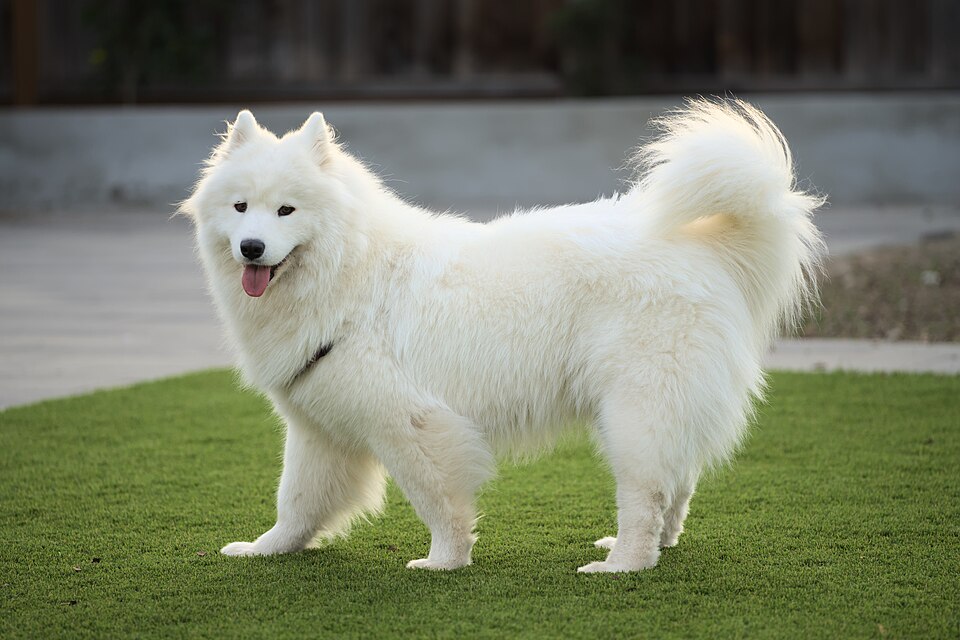
The Samoyed takes its name from peoples of northern Siberia whose dogs lived and worked in a demanding climate. That background helps explain its profuse white coat and its place among northern spitz breeds. The familiar smiling expression is memorable, but it should not replace looking at the individual dog: expression in a photograph cannot tell us what that dog enjoys, fears or needs.
More than a white outline
Under the long outer hair is a dense undercoat. The combination can protect in cold conditions and also means loose coat may need patient removal when shedding is heavy. Brushing should work through the coat without tugging at the skin. After a bath, complete drying is important; a coat that looks dry on top may still hold moisture closer to the body.
An everyday relationship
A working history can suggest why activity and shared time matter, but there is no universal Samoyed schedule. Age, health, climate and personality change what a good day looks like. Introduce coat handling in manageable sessions and notice where the dog finds it difficult. That makes care a calm part of life rather than a battle over a beautiful photograph.