
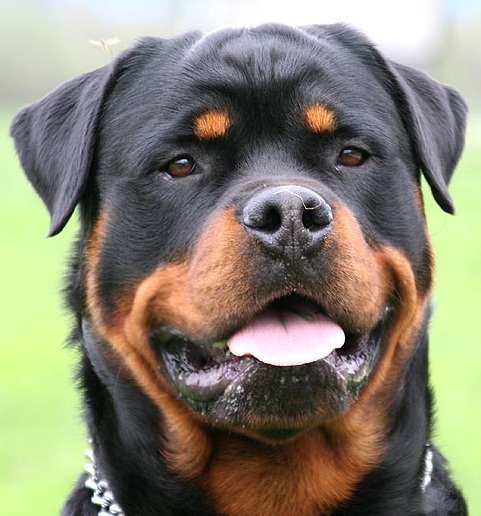
The cattle-market dog of Rottweil
The Rottweiler takes its name from Rottweil in southern Germany, where dogs helped drive cattle and guard the work of livestock traders and butchers. Breed histories connect earlier ancestors with Roman cattle-driving dogs; that is a historical account, not a documented pedigree for every intervening century. The FCI describes a later shift into police work, with official recognition for that role in 1910. Today's standard includes companion, service and working roles. The useful thread through the story is a strong dog expected to work alongside people. Germany remains the catalogue's country of origin, while modern Rottweilers live in many places; this profile does not claim population figures or a universal temperament.
Living with the individual dog
Strength makes considerate everyday management especially important. Practise loose-lead walking, calm arrivals, resting on a mat and cooperative handling in easy situations before relying on them in busy ones. Choose suitable exercise and activities around the actual dog's health, age and experience. Responsible ownership also means secure arrangements, thoughtful introductions and space to rest. A breed reputation, whether flattering or frightening, is a poor substitute for observing an individual dog and understanding its needs.
About the photograph: A natural head portrait of an adult Rottweiler. It illustrates one dog's head and tan markings; the photograph does not show the full body or establish temperament.
Further reading: Royal Kennel Club Rottweiler history and care guide.