
A pointing dog shaped by Picardy
The FCI account places the Picardy Spaniel in the varied landscapes of its French home region, where a versatile dog was useful across different small-game settings. The history emphasises local working use rather than providing a precise founding event.
Its FCI number is 108. The Picardy and Blue Picardy share a regional story but retain separate breed entries; colour is a principal distinction in the current standards. Older regional praise should not be turned into an unsupported worldwide popularity claim.
The autumn-leaf coat
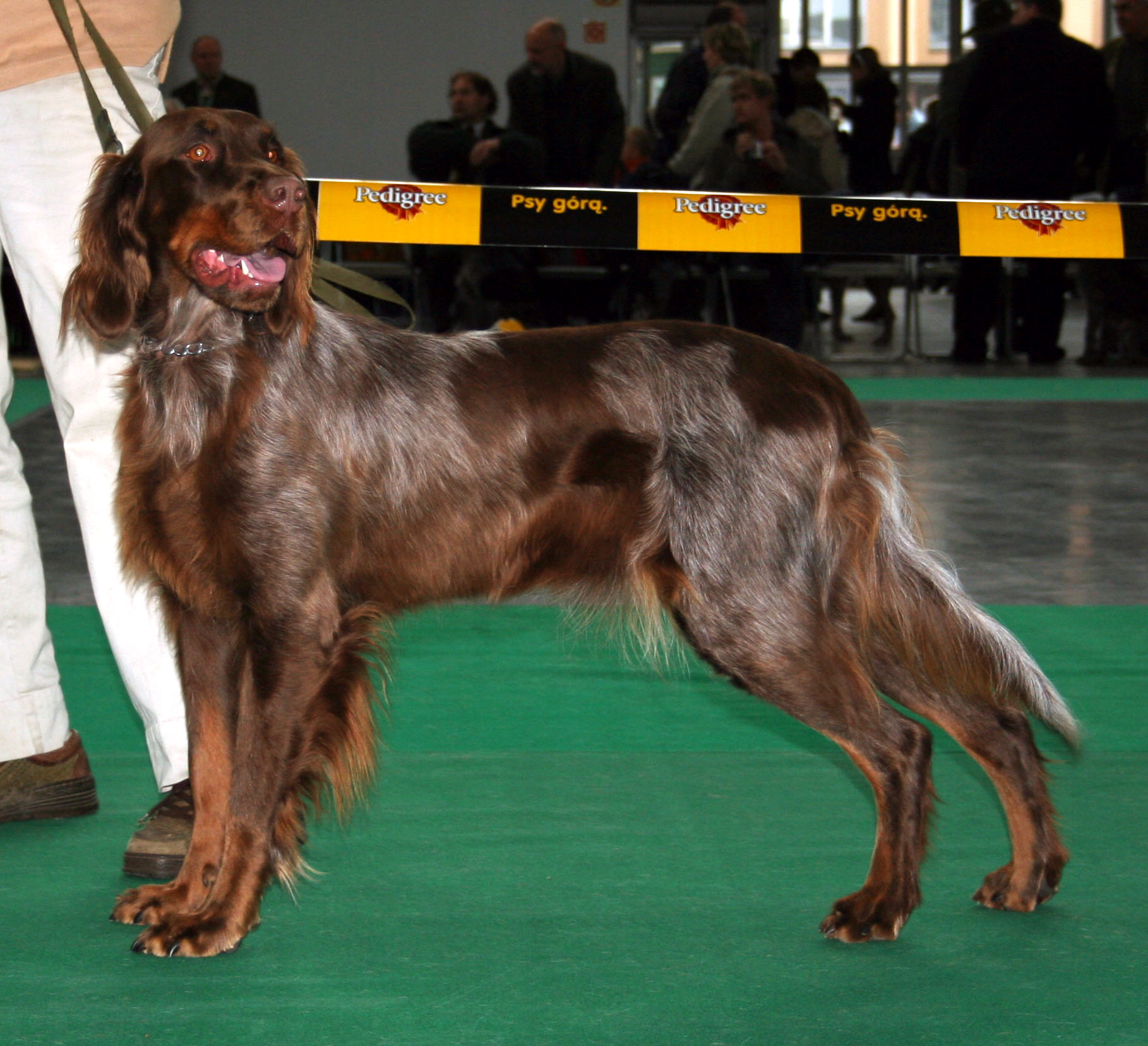
Brown mottling, darker patches and tan points create the traditional autumn-leaf description. Hair is dense, fine on the head and slightly wavy over the body, often with undercoat. The appearance differs from the silver-grey to grey-black impression of the Blue Picardy.
Gentle does not mean untrained
The standard's even, gentle ideal sits alongside an athletic hunting background. Reward returning attention, calm greetings and settling as well as outdoor tasks. Supervise children and introduce unfamiliar animals thoughtfully rather than treating a favourable breed description as universal behaviour.
Check the furnishings after walks
Look behind ears, under the chest and through the backs of the legs after wet or brushy outings. Gentle regular checks can find a small tangle before it compacts. Tell a groomer about coat maintenance at home and agree a comfortable routine that fits the dog and household.
Plan comfortable care
Our gentle coat-care guide and first grooming appointment guide help you prepare questions about handling, maintenance and a suitable service. This breed profile is independent of named businesses.
Photograph and sources
The photograph illustrates one Picardy Spaniel. See the linked credit for its creator, source and reusable licence. It does not establish the dog's health, age or temperament.
Read the FCI catalogue entry and FCI breed standard. General care and handling guidance is available from PDSA and Dogs Trust.