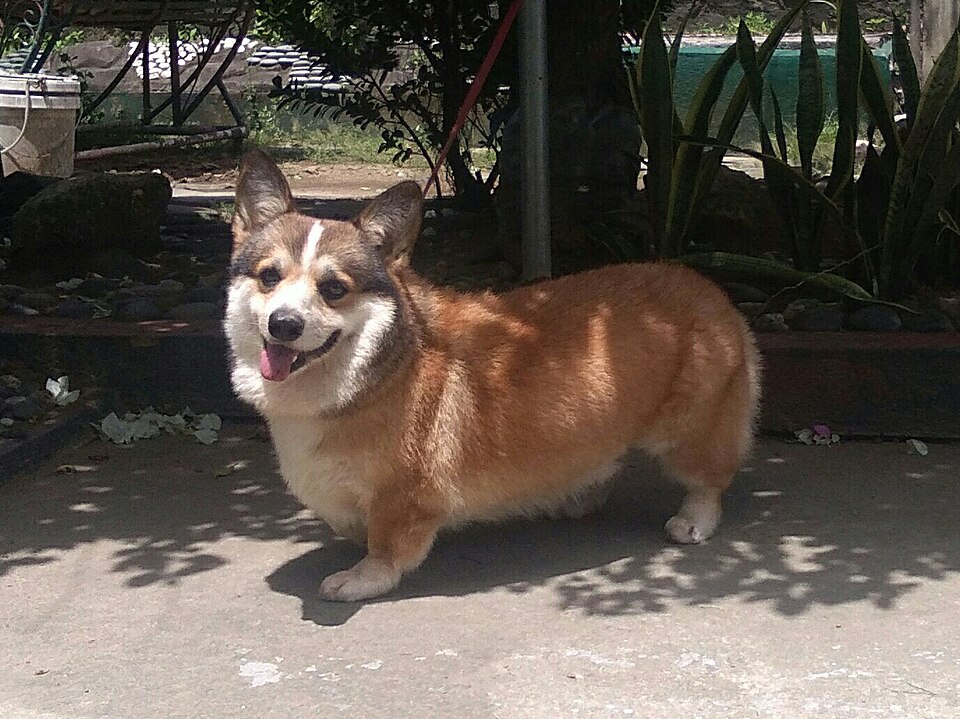
Before the royal photographs, a drover's dog
The Pembroke's working roots are in Welsh cattle droving. Royal patronage later made the breed especially familiar, but its background is pastoral rather than ornamental. The FCI lists it as Welsh Corgi (Pembroke), separately from the Cardigan. The breeds share a Welsh story while having their own identities; a tail alone is not a reliable shortcut to telling them apart.
Living with the individual dog
The low outline can hide how active and substantial this small dog is. Plan interesting walks, reward-based learning and time to settle. Meet the individual and ask about its experiences around other animals. A famous breed image tells you less about everyday compatibility than an honest conversation with its carer.
Further reading: Royal Kennel Club Pembroke guide.
Character and behaviour
The standard describes a bold, outgoing and workmanlike dog. Individual confidence and sociability vary, so introductions and training should follow the dog in front of you.
Breed descriptions are broad tendencies. An individual dog's behaviour also reflects experience, training and circumstances.
Care in daily life
Brush through the undercoat gently and increase attention when loose hair builds up. Check the chest, trousers and areas under a harness. Ask for a simple maintenance demonstration rather than assuming this short-legged breed has no grooming needs.
Care depends on the individual dog. If you notice a skin or health problem, speak to a vet.
Sources and review
These sources informed GroomNear's original summary. Place of origin does not describe where most dogs of this breed live today; reliable worldwide breed counts are not available for every breed.