
A hound with land-and-water history
The Otterhound developed within British scent-hound traditions, with the FCI history discussing possible French influence alongside English hound strains. The exact mixture is uncertain. Its former work involved following scent across land and water, helping explain the substantial body, rough jacket and distinctive voice.
The historical occupation should not be treated as a modern activity recommendation. Nor should old performance descriptions be turned into promises about how long a particular dog can track or swim. A companion's training, health, confidence and environment determine what is appropriate for that individual.
Rough hair with a softer layer
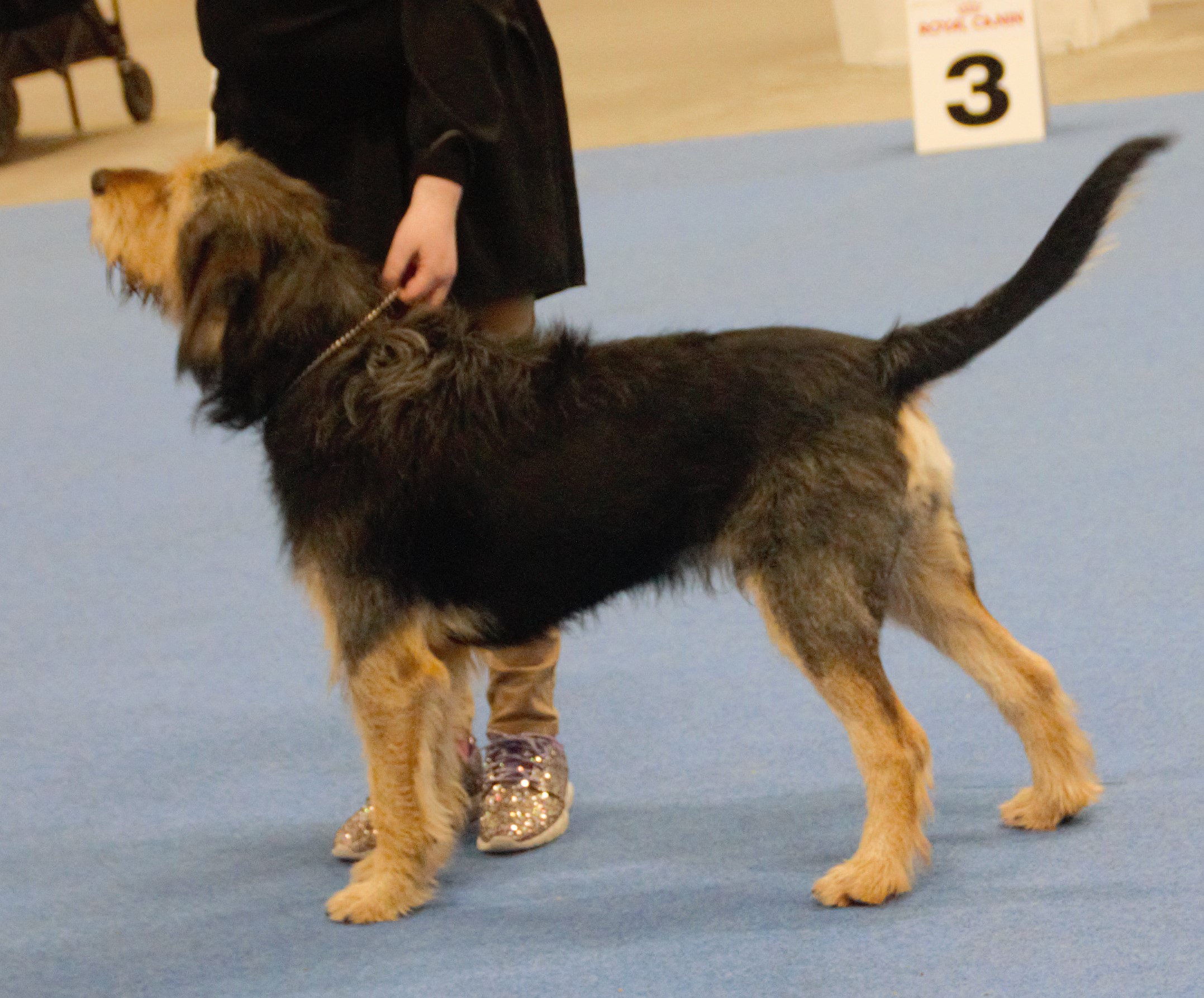
The coat is dense, harsh and rough without the wiry texture of some terriers. A softer underlayer is evident, and the head and lower legs may have softer hair. The natural outline is part of the breed's character; an untidy appearance should still be distinguished from painful compacted hair.
A friendly ideal and an independent nose
The standard's amiable, even-tempered description sits alongside scent-following interests and a carrying voice. Secure exploration and rewarding attention are sensible starting points. Neither a relaxed show pose nor a friendly breed label proves recall, quietness or compatibility in every household.
Care beneath the broken outline
Check beard hair, ears and furnishings for loose plant material and tangles before they tighten. Ask a groomer how to maintain the actual jacket without forcing a sculpted finish. If an area smells unusual or hurts when touched, seek assessment rather than hiding the problem with cosmetic preparation.
Plan comfortable care
Our gentle coat-care guide and first grooming appointment guide help you prepare questions about handling, maintenance and a suitable service. This breed profile is independent of named businesses.
Photograph and sources
The photograph illustrates one Otterhound. See the linked credit for its creator, source and reusable licence. It does not establish the dog's health, age or temperament.
Read the FCI catalogue entry and FCI breed standard. General care and handling guidance is available from PDSA and Dogs Trust.