
A coastal history with puffins
The Norwegian Lundehund takes its name from the Norwegian words for puffin and dog. Descriptions of dogs used for puffin hunting are more than four centuries old, according to the FCI. The practical setting was steep coastal rock and narrow nesting passages, where specialised movement helped dogs reach birds.
The breed survived especially around Mastad on Vaeroy as older hunting traditions declined elsewhere. Distemper and wartime disruption brought severe losses, while cooperation between island residents, the Christie family and later breeders helped preserve it. The historical occupation is context, not an activity this profile recommends recreating.
An unusual body beneath a practical jacket
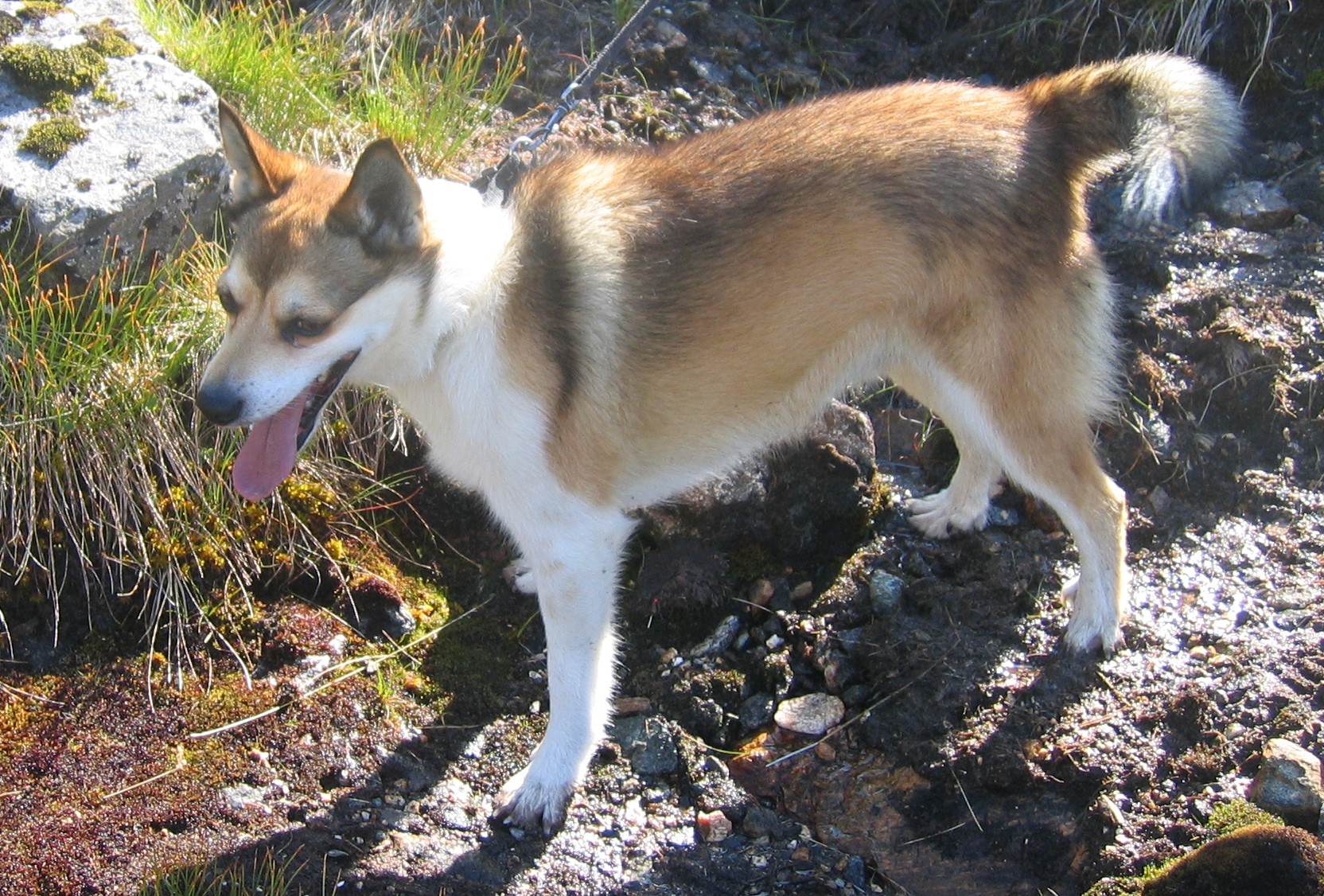
Additional functional toes and marked flexibility distinguish the breed. Those features should not be turned into party tricks or tested by forcing the neck or limbs. Dense rough hair over soft undercoat forms a practical jacket, usually red-to-fawn and white with varying darker hair tips.
Liveliness on safe terms
The standard's alert and energetic description suggests an interested dog rather than a passive ornament. Offer suitable learning and safe exploration, while allowing the individual time to adjust to unfamiliar situations. Neither historical agility nor a lively expression proves confidence with every visitor or procedure.
Gentle foot and coat checks
Introduce examination of every toe and nail gradually, using comfortable positioning and rewarding cooperation. Check beneath equipment and in denser furnishings for retained debris. Tell a groomer about handling preferences, and investigate pain or changed movement rather than assuming unusual anatomy explains every difficulty.
Plan comfortable care
Our gentle coat-care guide and first grooming appointment guide help you prepare questions about handling, maintenance and a suitable service. This breed profile is independent of named businesses.
Photograph and sources
The photograph illustrates one Norwegian Lundehund. See the linked credit for its creator, source and reusable licence. It does not establish the dog's health, age or temperament.
Read the FCI catalogue entry and FCI breed standard. General care and handling guidance is available from PDSA and Dogs Trust.