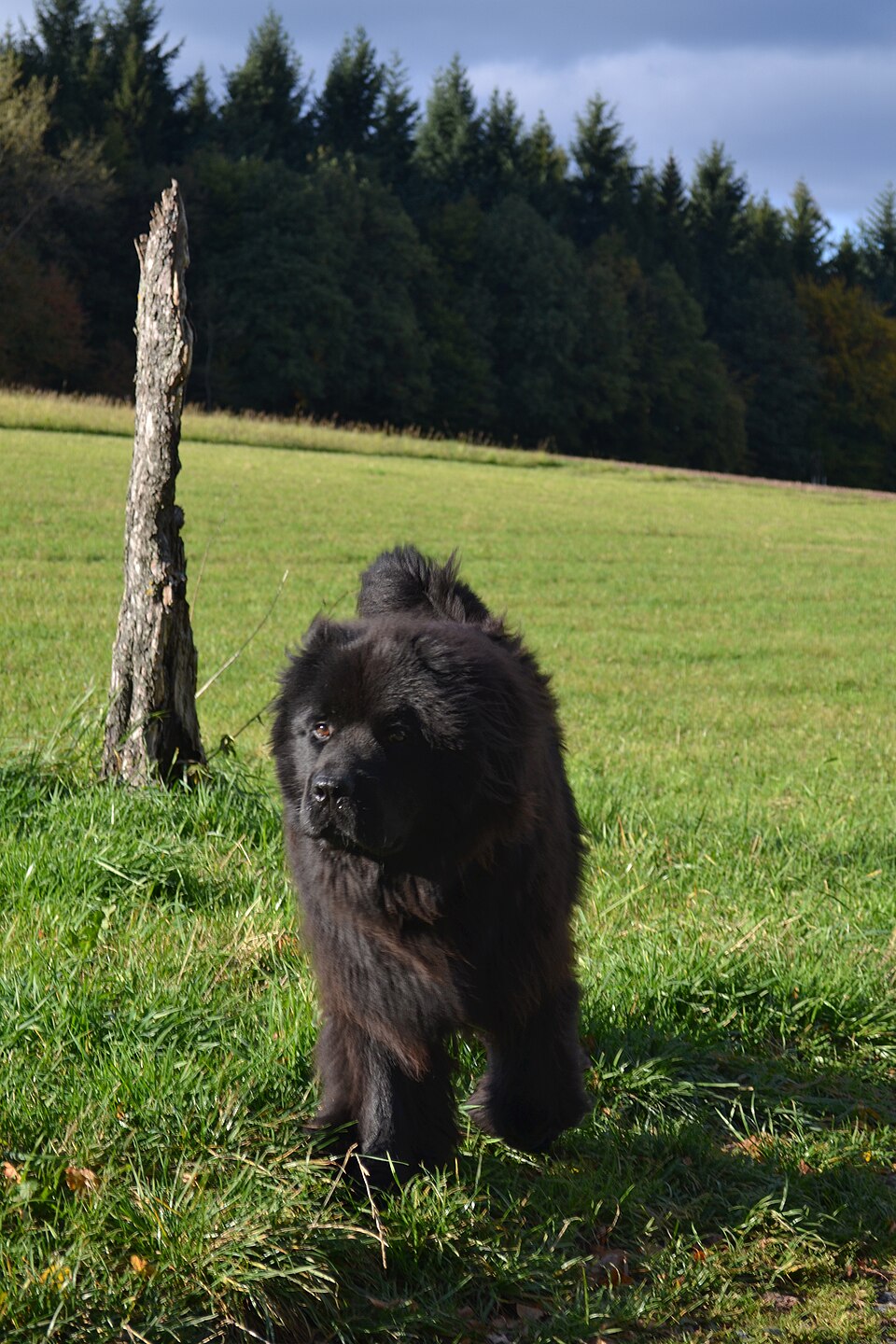
An island dog shaped by demanding work
The Newfoundland takes its name from the Canadian island where it developed. Its history combines local dogs with dogs arriving alongside seafaring communities. The FCI describes work pulling heavy loads on land and helping in the water. Rather than treating every early ancestry account as certain, the clearest thread is a strong dog adapted to a demanding coastal working life.
Living with the individual dog
A Newfoundland's size changes ordinary practicalities, from transport to where grooming can happen safely. Begin cooperative handling early and plan around the individual dog's comfort. The water-working heritage is interesting history, not a reason to assume a particular dog needs no introduction or supervision near water.
Character and behaviour
The standard describes gentleness and composure. Size and a gentle reputation do not remove the need for training, individual assessment or supervision around children.
Breed descriptions are broad tendencies. An individual dog's behaviour also reflects experience, training and circumstances.
Care in daily life
Work through the dense coat in sections, checking the chest, hindquarters and areas that stay damp. After wet outings, dry carefully and check beneath the surface. Ask about suitable access, equipment and rest breaks before booking a large-dog grooming appointment.
Care depends on the individual dog. If you notice a skin or health problem, speak to a vet.
Sources and review
These sources informed GroomNear's original summary. Place of origin does not describe where most dogs of this breed live today; reliable worldwide breed counts are not available for every breed.