
A guardian associated with Naples
The Neapolitan Mastiff, or Mastino Napoletano, is associated with the countryside around Naples and Mount Vesuvius. The FCI history connects it with older mastiff traditions and Roman accounts. Those associations explain a historical type; they should not be presented as a completely documented genetic line from Roman times.
The clearer modern milestone is organised reselection from 1947 by enthusiasts working to preserve the local dog. The contemporary breed retains a massive outline and guardian role, but its cultural history does not make exaggerated features desirable or demonstrate the health of a particular dog.
Short hair and substantial skin
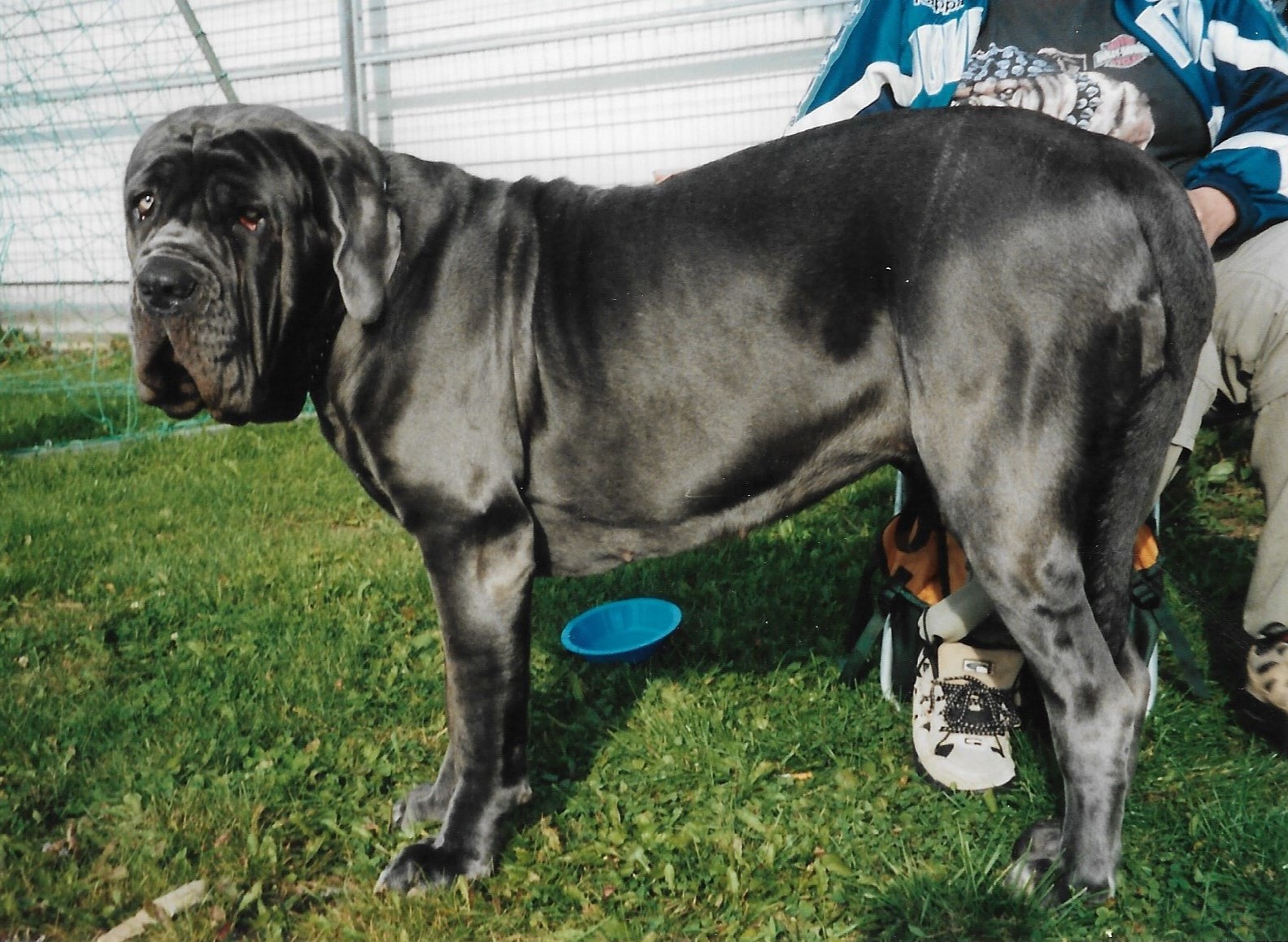
The jacket is short, dense and hard, without long leg or tail furnishings. Grey, black, brown and fawn shades may occur, including brindle. The visible surface can look simple to maintain while skin folds and equipment contact areas still require observation for moisture, irritation or discomfort.
Steadiness needs individual assessment
The standard's loyal and vigilant ideal belongs to a substantial guardian. Reward cooperation with examination and prepare introductions carefully rather than relying on a calm photograph. Handling a powerful dog is easier when the environment, footing and pace are planned around the individual's comfort.
A gentle maintenance plan
Discuss suitable short-coat tools and standing tolerance with a groomer before an extended session. Fold care should follow the dog's actual condition and veterinary advice rather than improvised products. Persistent redness, unusual odour or pain needs assessment, not concealment beneath a cosmetic finish.
Plan comfortable care
Our gentle coat-care guide and first grooming appointment guide help you prepare questions about handling, maintenance and a suitable service. This breed profile is independent of named businesses.
Photograph and sources
The photograph illustrates one Neapolitan Mastiff. See the linked credit for its creator, source and reusable licence. It does not establish the dog's health, age or temperament.
Read the FCI catalogue entry and FCI breed standard. General care and handling guidance is available from PDSA and Dogs Trust.