
The Little Lion Dog in European culture
Lowchen means Little Lion Dog, also reflected in the French name Petit Chien Lion. The FCI history discusses small lion-like companion dogs in European carvings, tapestries and paintings, including courtly settings. Such images show an enduring type and presentation, rather than a fully documented pedigree for today's breed.
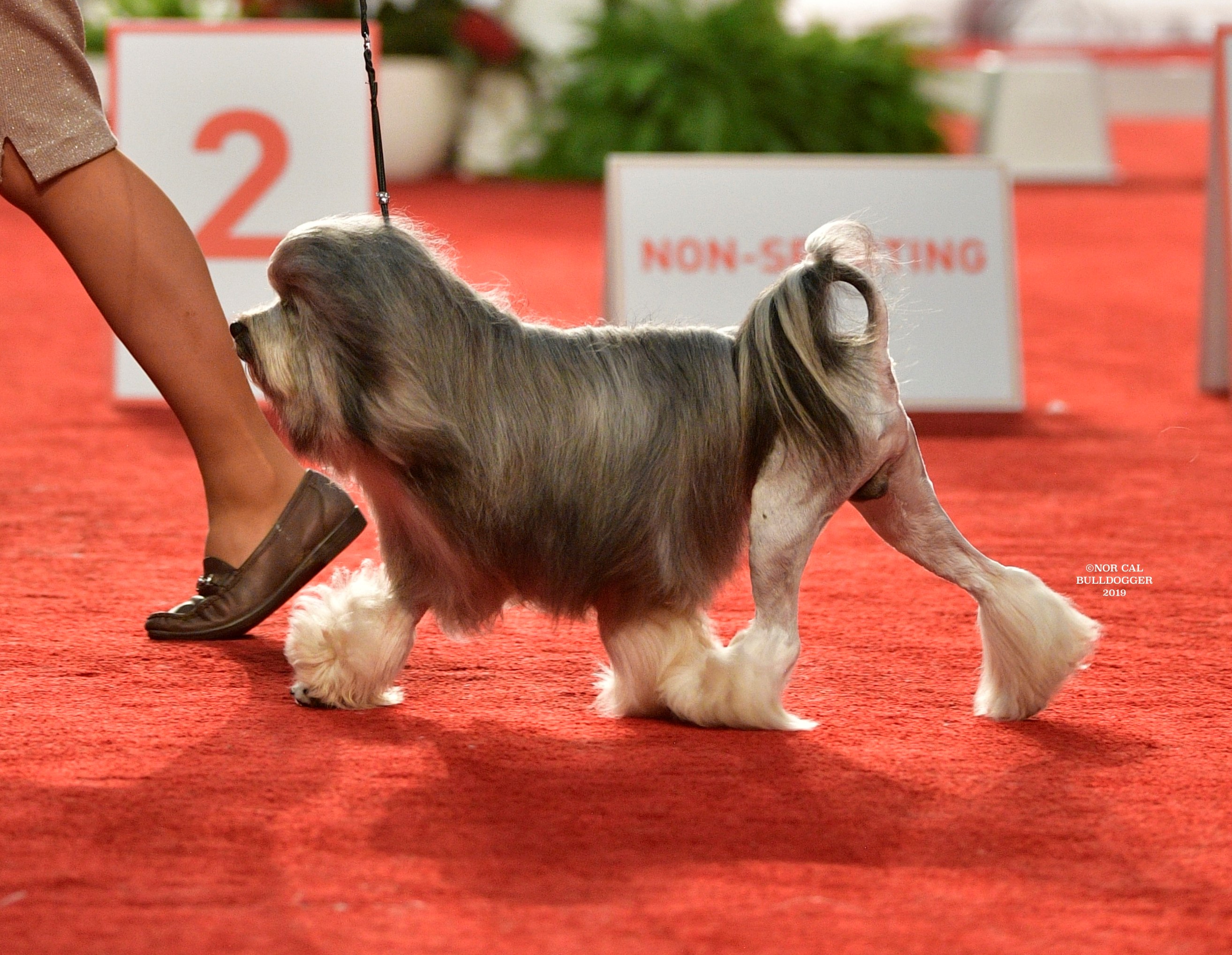
A French breed club was founded in 1947, providing a clear modern organisational milestone. The breed's interest lies partly in that combination of companion-dog history and a recognisable coat style. A lion presentation is grooming, not evidence that the dog has a different natural coat from another Lowchen.
Silky waves without an undercoat
The long dense jacket is silky and wavy, without the soft underlayer found in many herding or northern breeds. All colours and combinations are permitted. The prepared outline in the photograph illustrates one presentation, while an individual companion may need a different practical maintenance plan.
An attentive companion still needs choice
The standard describes affection and receptiveness towards familiar people. Those ideals do not mean a small dog automatically tolerates lifting or prolonged coat work. Reward gentle handling in small steps and allow confidence and previous experience to guide introductions to new tools or people.
Keeping long hair comfortable
Check behind ears and beneath equipment before small tangles become tight. Ask a groomer to explain tools suited to silky hair and discuss manageable length without assuming a show trim is compulsory. Persistent irritation, painful knots or changed tolerance of touch need assessment rather than forceful brushing.
Plan comfortable care
Our gentle coat-care guide and first grooming appointment guide help you prepare questions about handling, maintenance and a suitable service. This breed profile is independent of named businesses.
Photograph and sources
The photograph illustrates one Lowchen. See the linked credit for its creator, source and reusable licence. It does not establish the dog's health, age or temperament.
Read the FCI catalogue entry and FCI breed standard. General care and handling guidance is available from PDSA and Dogs Trust.