
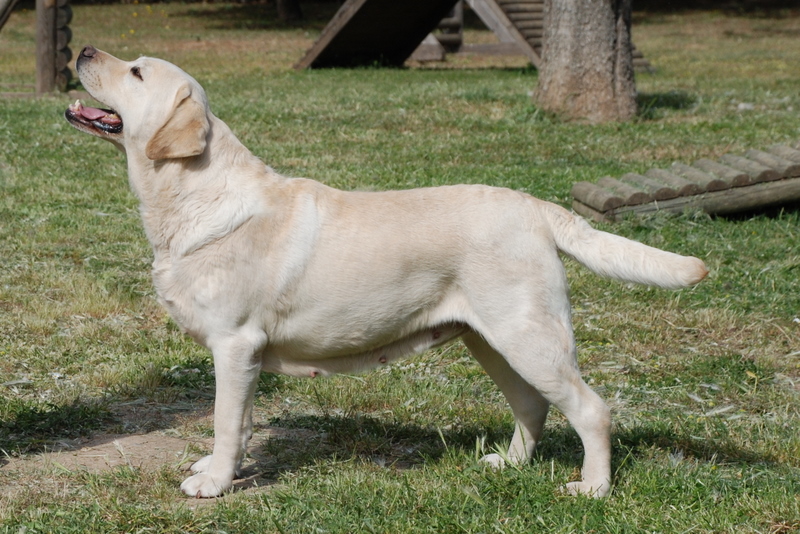
A working story that crossed the Atlantic
Before the Labrador became a familiar companion, its story passed through Newfoundland's fishing communities. Dogs helped with practical jobs around boats and nets. Their willingness to retrieve caught the attention of British sporting families, who developed the retriever we recognise today. The breed's modern roles are unusually varied: working gundog, assistance partner and family dog all sit within the same history.
What to notice
A Labrador's short coat is dense rather than delicate. Its weather-resistant undercoat reflects an outdoor working past, and loose hair can be more noticeable than the tidy outline suggests. The breed is often described as keen to work with people, but a Labrador's behaviour is shaped by learning, health and the life it actually leads. A young, busy dog and an older, settled one may need very different days.
Living with the coat
Regular brushing helps lift loose undercoat and gives an owner a chance to notice changes in skin or comfort. After a muddy walk or swim, drying the coat thoroughly matters more than chasing a show-ring finish. The best routine is the one the individual dog tolerates and the household can keep up. Coat care is part of getting to know that dog, not a shortcut for predicting its personality.