
A Turkish livestock guardian with uncertain deeper roots
The Kangal Shepherd Dog is closely associated with Turkey's livestock-keeping traditions and with the Kangal area of Sivas. Its FCI history discusses wider movements of people and guardian dogs, but also acknowledges how difficult an exact early breed history is to establish.
The regional name and modern standard provide a clearer identity than dramatic claims about prehistoric ancestry or supposed performance records. FCI number 331 concerns the Kangal Coban Kopegi. Other dogs described broadly as Anatolian guardians should not automatically be treated as identical to that registered breed.
A mask over a dense practical coat
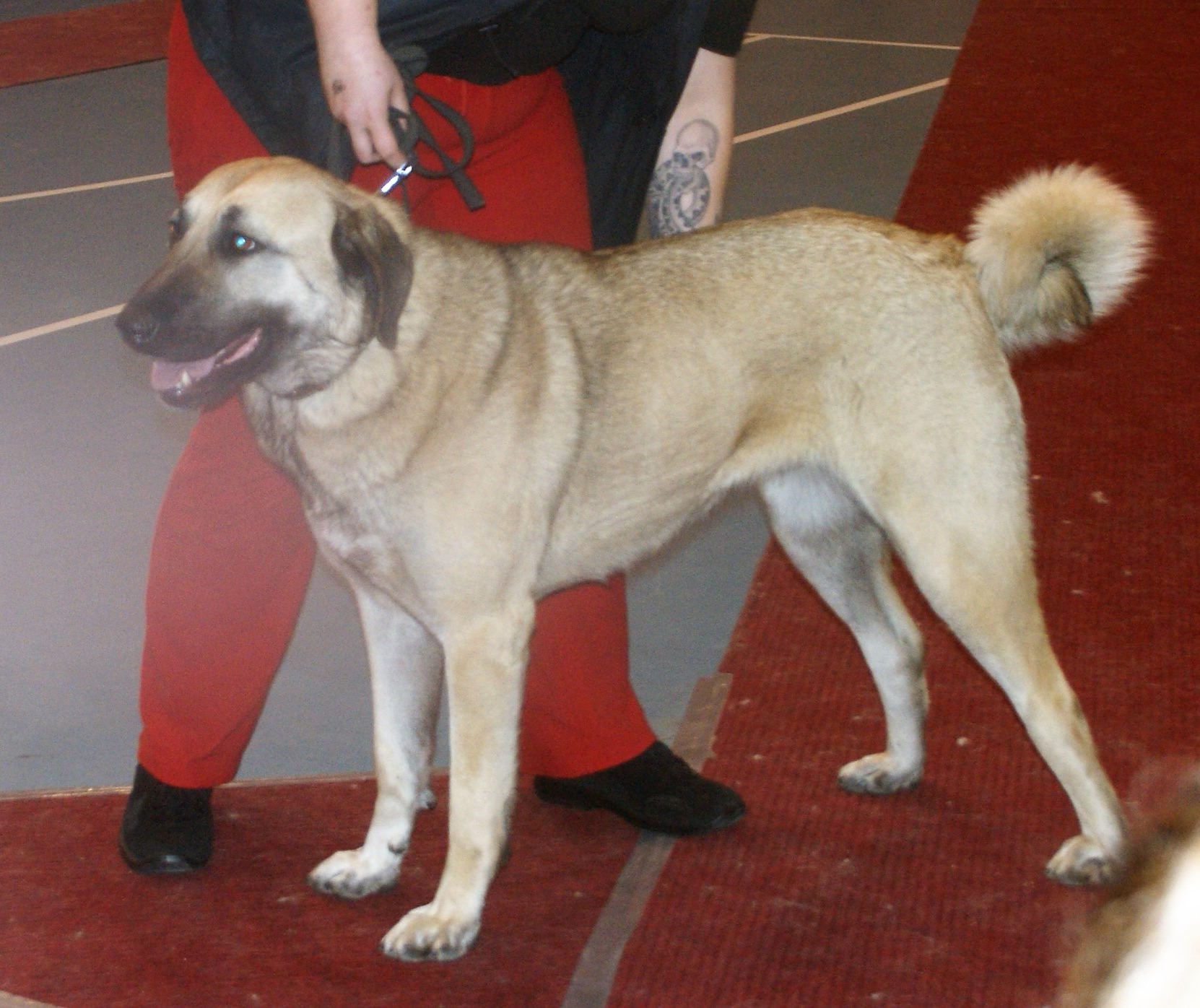
The thick guard coat lies over dense undercoat, with more hair around the neck, shoulders and thighs. Fawn-to-sable colouring, dark ears and a black mask form the characteristic appearance. A photograph can illustrate those features without proving a dog's ancestry, temperament or livestock-working ability.
Independent protection requires planning
The standard combines steadiness and confidence with independence and wariness towards unfamiliar people when working. Those traits call for responsible secure management and careful introductions. They do not establish safety with every visitor, animal or grooming professional simply because the dog is devoted to its family.
Plan care around the individual
Check beneath the dense coat gently and discuss space, standing time and breaks before an appointment. Tell the groomer about protective responses and previous handling. Comfort and cooperation come first; painful knots, skin irritation or altered tolerance need appropriate professional advice.
Plan comfortable care
Our gentle coat-care guide and first grooming appointment guide help you prepare questions about handling, maintenance and a suitable service. This breed profile is independent of named businesses.
Photograph and sources
The photograph illustrates one Kangal Shepherd Dog. See the linked credit for its creator, source and reusable licence. It does not establish the dog's health, age or temperament.
Read the FCI catalogue entry and FCI breed standard. General care and handling guidance is available from PDSA and Dogs Trust.