
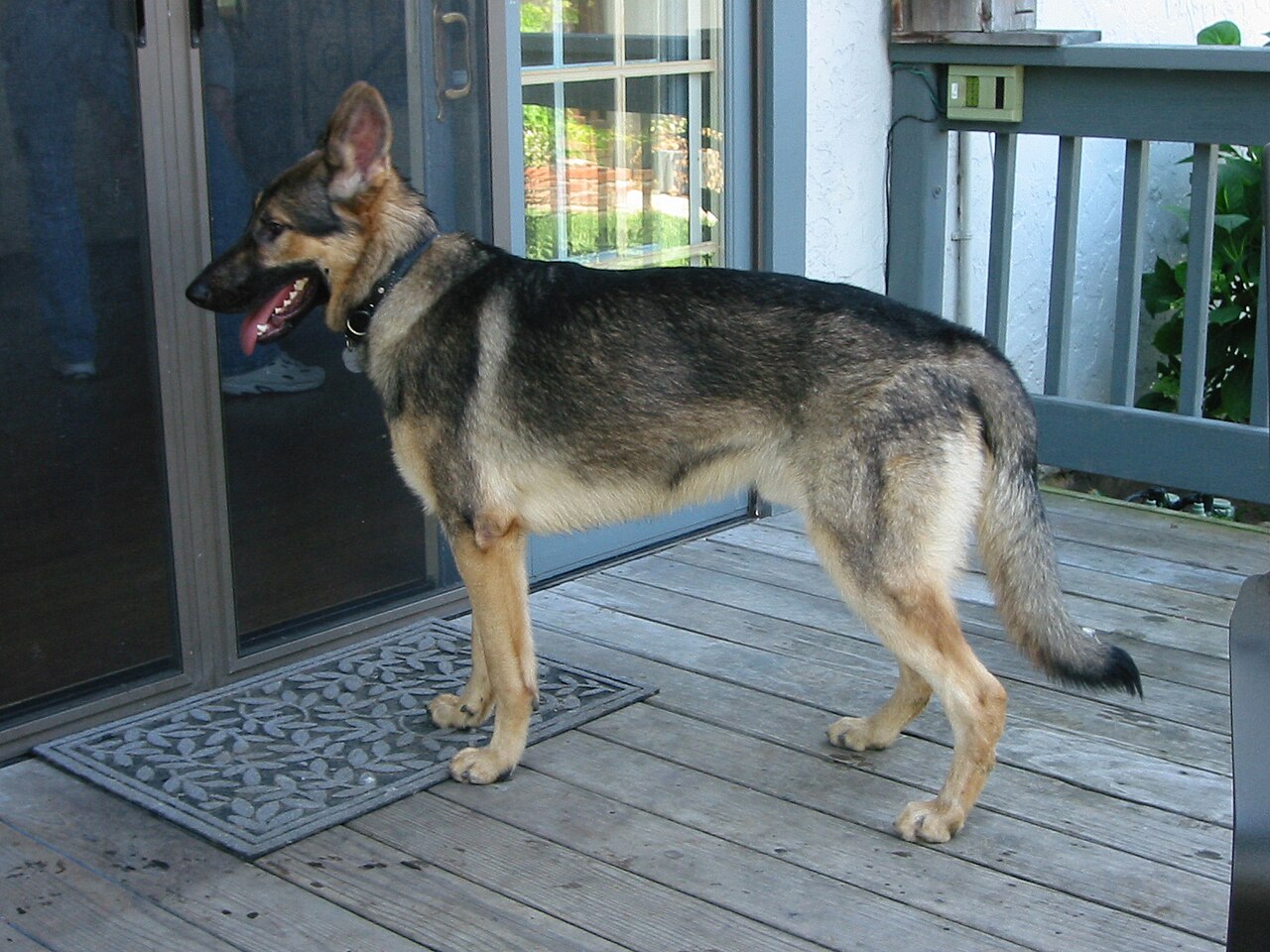
A shepherd's dog developed for versatile work
The German Shepherd Dog grew from herding dogs in central and southern Germany. The FCI account dates systematic breeding to 1899 and describes the work of the breed society and early standard associated with Max von Stephanitz and A. Meyer. The aim was a capable working dog, rather than appearance alone. Later service roles extended far beyond herding, including tracking, assistance and police work. The German name Deutscher Schäferhund literally identifies this shepherd-dog heritage. Germany remains the origin filter here; it does not describe present-day worldwide numbers or make every individual a trained service dog.
Living with the individual dog
A reputation for learning and work should encourage thoughtful training, not expectations of instant obedience. Offer manageable tasks, rewarding contact with people and the chance to rest without constant instruction. The individual dog's confidence, health and previous experiences matter more than a dramatic working-dog image. Build comfort around everyday sounds, visitors and grooming equipment in small steps, and seek qualified help if the dog struggles.
About the photograph: A young adult German Shepherd Dog standing naturally. It illustrates one coat and one individual, rather than a recommended posture, health assessment or complete picture of breed variation.
Further reading: Royal Kennel Club German Shepherd Dog guide and coat-care overview.