
A mountain landscape, not a precise origin date
The Estrela Mountain Dog takes its identity from Portugal's Estrela Mountains. The FCI describes its longstanding role accompanying shepherds and protecting flocks, including seasonal movement to higher pastures when lowland grazing dried out.
The standard says the breed's distant origins are lost in time. It is more useful to understand that mountain working context than to assign a speculative ancient founder. International spread increased during the second half of the twentieth century.
Two coats on a substantial frame
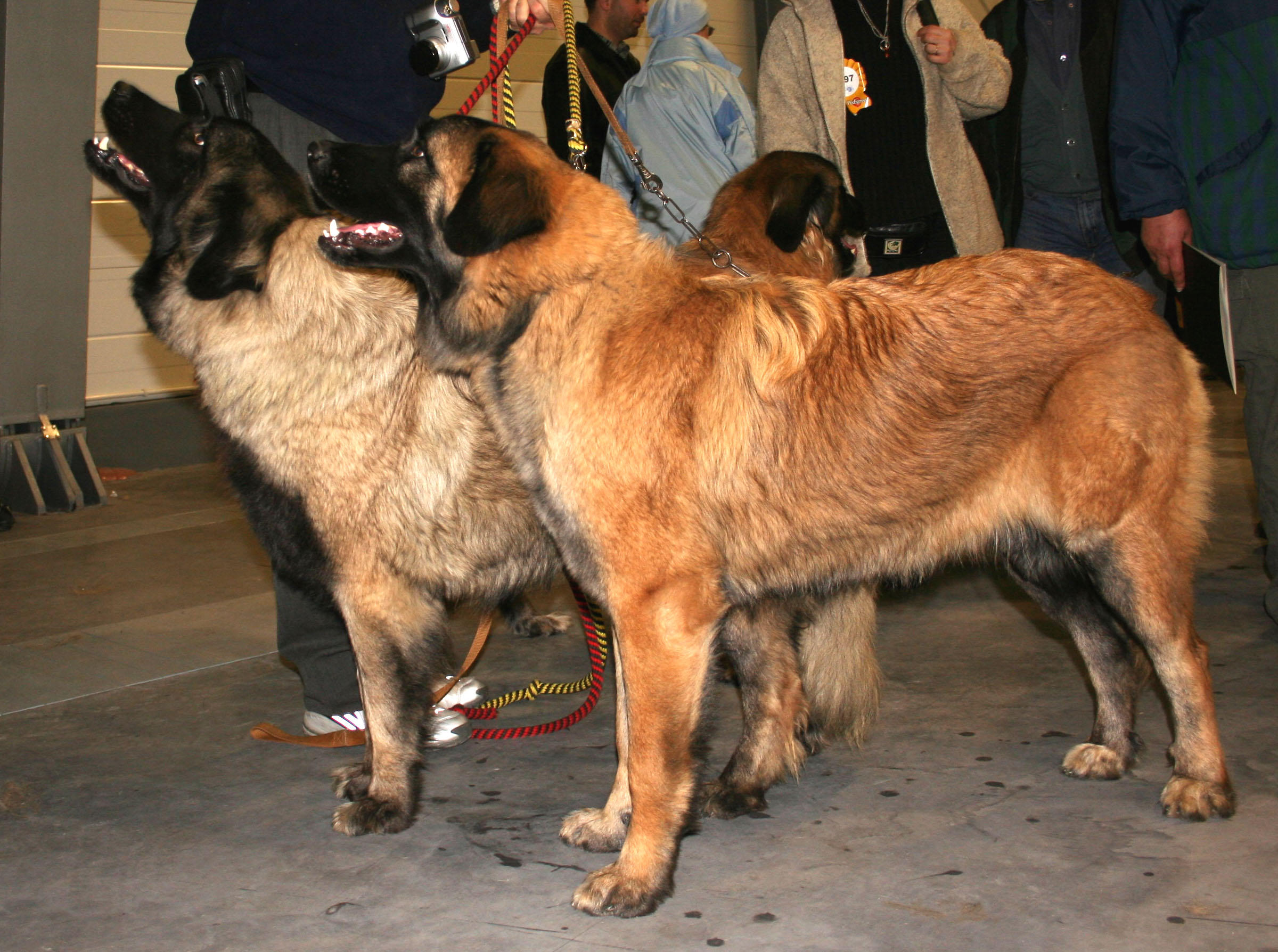
Both the long- and short-haired varieties belong to the same FCI breed, number 173. They share a large, well-proportioned body and a dark facial mask. The long coat creates a fuller neck and bushy tail; the short variety has a much more even outline.
A guardian's view of visitors
The standard's devotion to the shepherd is paired with reserve towards strangers. Plan how visitors enter, where the dog can settle and how introductions will be rewarded. A calm dog should not have to accept unwanted touching to demonstrate friendliness.
Care in daily life
Feel beneath the outer coat so loose undercoat and friction tangles do not go unnoticed. Long furnishings need particular attention after muddy walks. A non-slip grooming area, comfortable breaks and a handler who understands large guardians can make routine maintenance more manageable.
Plan comfortable care
Our gentle coat-care guide and first grooming appointment guide help you prepare questions about handling, maintenance and a suitable service. This breed profile is independent of named businesses.
Photograph and sources
The photograph illustrates one Estrela Mountain Dog. See the linked credit for its creator, source and reusable licence. It does not establish the dog's health, age or temperament.
Read the FCI catalogue entry and FCI breed standard. General care and handling guidance is available from PDSA and Dogs Trust.