
From flock boundaries to varied work
The Dutch Shepherd Dog's early work was closely connected with Dutch farming. The FCI describes dogs keeping sheep away from crops, accompanying flocks and helping with varied farm tasks, including watching the yard and moving cattle.
As sheep keeping changed around 1900, that versatility supported roles in training, tracking, police work and assistance. The first breed standard dates to 1898. Those historical roles explain the breed's background without granting every modern individual a working qualification or making it a suitable choice for every household.
One breed, three jackets
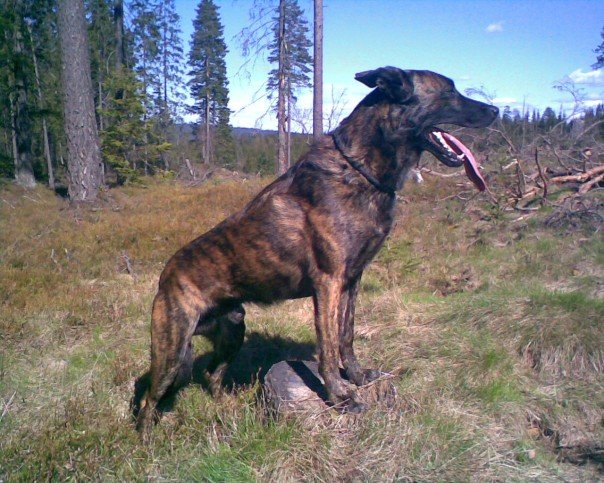
FCI number 223 includes short-, long- and wire-haired varieties. Each has undercoat, but the outer hair, facial furnishings and maintenance needs differ considerably. Golden or silver brindling is characteristic; a shaggy wire jacket can make the pattern harder to see than in the photographed short coat.
Activity and independent decisions
The standard combines loyalty and willingness to cooperate with alertness, persistence and independence. Rewarding activity and opportunities to settle are both useful. Assess the actual dog around people, animals and handling rather than expecting every individual to behave like a trained service dog.
Care follows the variety
Before choosing tools, establish which coat is actually present and where it is tangling or retaining debris. Check feet, equipment areas and furnishings gently. A groomer can discuss a sustainable routine; maintaining a rough texture should never mean forcing a painful procedure because a show standard mentions it.
Plan comfortable care
Our gentle coat-care guide and first grooming appointment guide help you prepare questions about handling, maintenance and a suitable service. This breed profile is independent of named businesses.
Photograph and sources
The photograph illustrates one Dutch Shepherd Dog. See the linked credit for its creator, source and reusable licence. It does not establish the dog's health, age or temperament.
Read the FCI catalogue entry and FCI breed standard. General care and handling guidance is available from PDSA and Dogs Trust.