
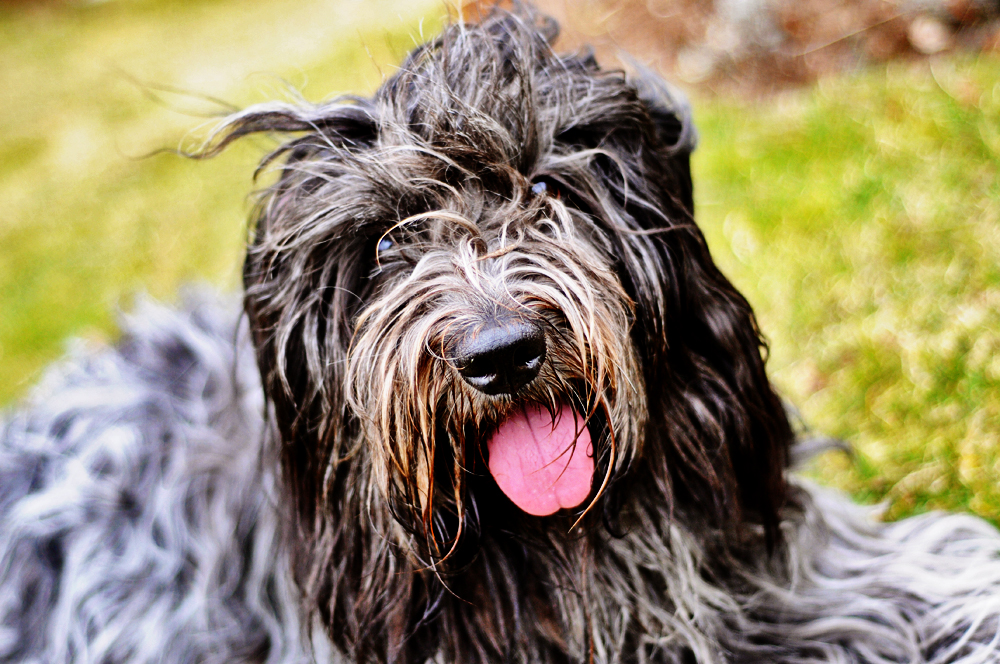
A dog of Dutch heathland flocks
The Dutch Schapendoes was associated with sheep flocks in the heathland regions of the Netherlands. Shepherds valued its willingness to work and intelligence. Its historical relationship to other shaggy European herding types gives context, but similar hair does not make all those breeds interchangeable.
P. M. C. Toepoel helped revive interest during the Second World War, when surviving dogs were sought for breeding. A breed club formed in 1947, provisional Dutch recognition followed in 1952 and a standard and stud book were established in 1954. Definitive recognition came in 1971.
Shaggy hair with a particular texture
A long dense jacket, sufficient undercoat and facial furnishings make the outline distinctive. The standard calls for fine, dry, lightly waved hair rather than tight curls or a silky curtain. The beard and topknot should be understood as areas needing careful maintenance, not a reason to overlook the skin beneath.
An attentive and lively partner
The breed ideal includes intelligence, watchfulness and affection towards familiar people. Appropriate activity and learning need to sit alongside opportunities to settle. An alert herding background does not guarantee a quiet response to every movement or make unfamiliar grooming procedures automatically comfortable.
Looking beneath the shaggy surface
Part the hair gently around ears, equipment contact points and rear furnishings to find loose material before it compacts. Discuss practical maintenance with a groomer rather than brushing only the outer tips. Painful knots, persistent irritation or a changed reaction to touch need professional attention.
Plan comfortable care
Our gentle coat-care guide and first grooming appointment guide help you prepare questions about handling, maintenance and a suitable service. This breed profile is independent of named businesses.
Photograph and sources
The photograph illustrates one Dutch Schapendoes. See the linked credit for its creator, source and reusable licence. It does not establish the dog's health, age or temperament.
Read the FCI catalogue entry and FCI breed standard. General care and handling guidance is available from PDSA and Dogs Trust.