
A French dogue with regional roots
The FCI account places nineteenth-century Dogues in Aquitaine, where they worked in guarding, cattle-related roles and large-game hunting. It records dogs entered under the name Dogue de Bordeaux at the first French dog show in Paris in 1863.
Different regional types were described before the Bordeaux type became the basis of the modern breed. The two world wars brought severe decline, followed by renewed development in the 1960s. Proposed medieval ancestry is less certain than those later records.
A broad head and short coat
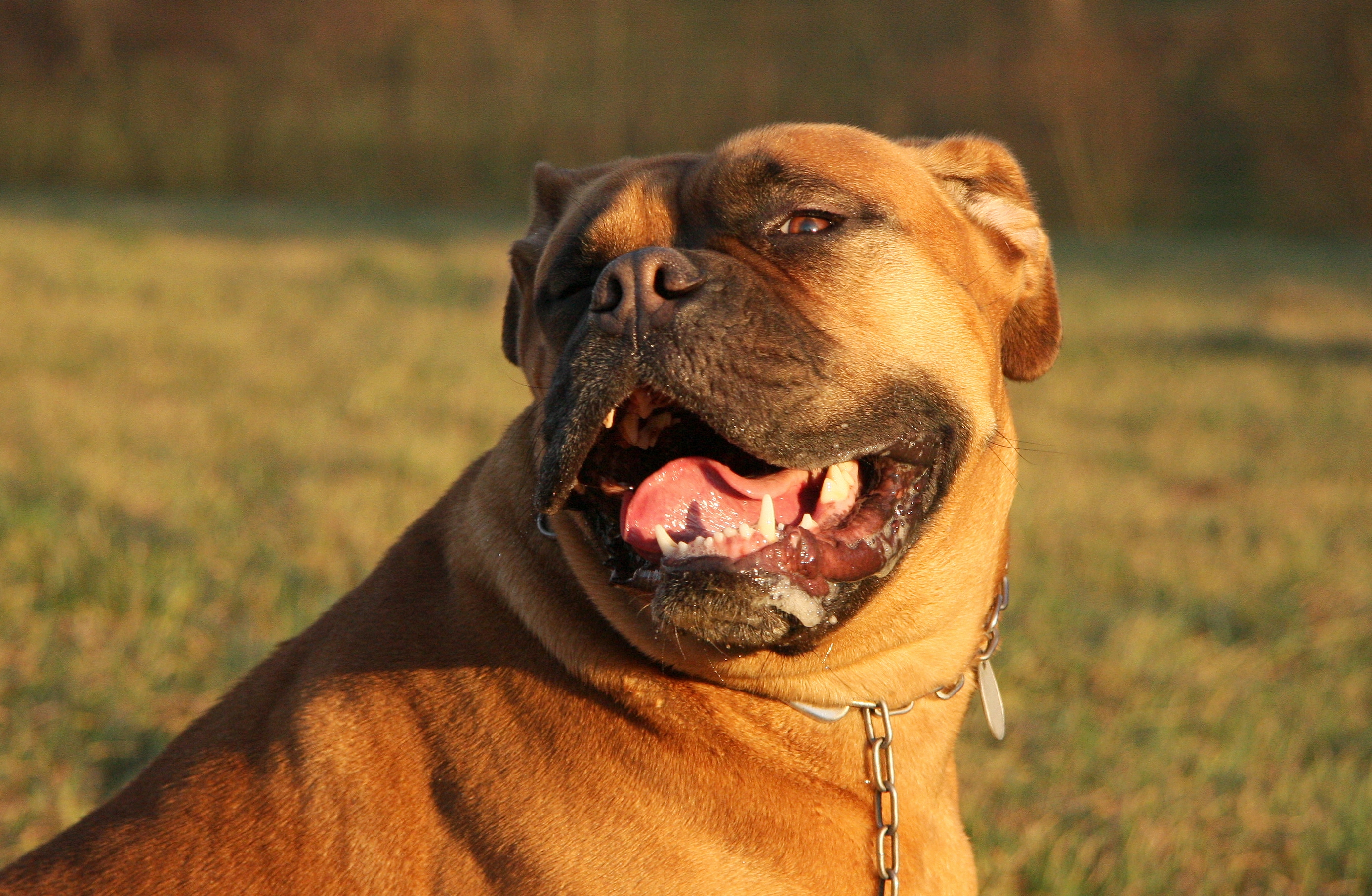
The powerful body and large head distinguish this French mastiff, FCI number 116. Its fine, short fawn coat can have a black mask, brown mask or no mask within the standard's descriptions. A large head or abundant folds should never be treated as more important than comfort and function.
Affection alongside vigilance
The standard describes attachment to the owner and a calm guarding ideal. Teach calm greetings, comfortable lead handling and a predictable place to rest when visitors arrive. Assess the individual rather than relying on either a fearsome stereotype or a guarantee of universal gentleness.
Care in daily life
Short, considerate grooming sessions make it easier to check the skin and folds without rushing. Stop for distress or breathing difficulty and obtain appropriate veterinary help. Persistent noisy breathing should not simply be accepted as a normal sound; grooming is not a treatment for an airway problem.
Plan comfortable care
Our gentle coat-care guide and first grooming appointment guide help you prepare questions about handling, maintenance and a suitable service. This breed profile is independent of named businesses.
Photograph and sources
The photograph illustrates one Dogue de Bordeaux. See the linked credit for its creator, source and reusable licence. It does not establish the dog's health, age or temperament.
Read the FCI catalogue entry and FCI breed standard. General care and handling guidance is available from PDSA and Dogs Trust.
Additional primary reading: PDSA: breathing problems in flat-faced dogs.