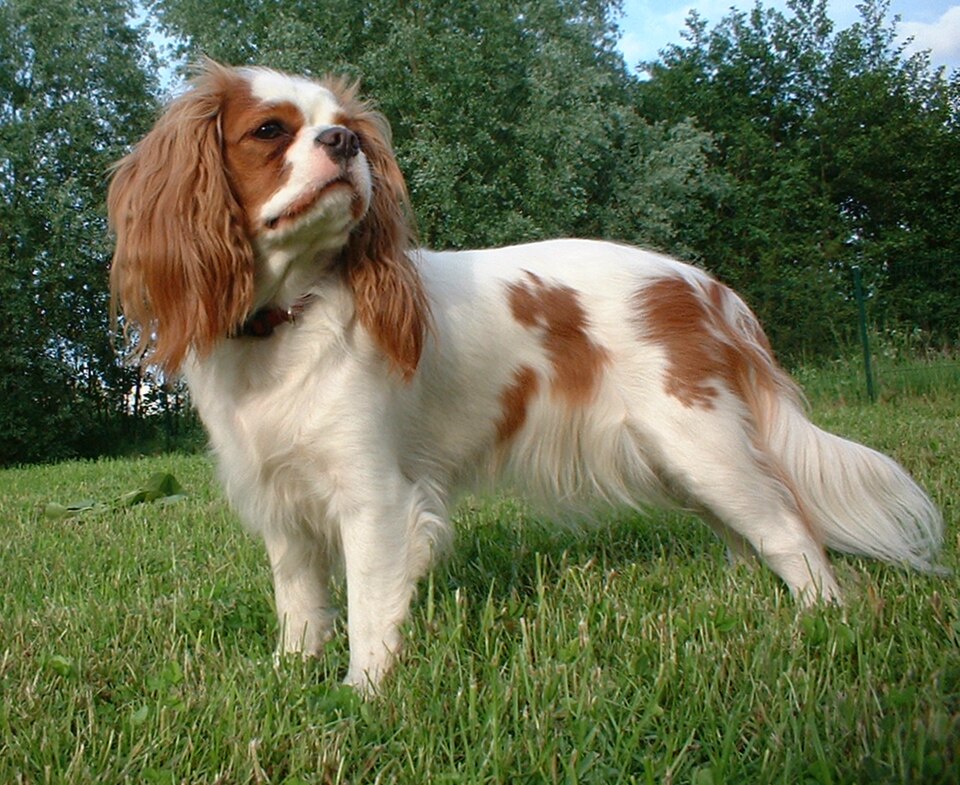
An older spaniel outline, rediscovered
Small spaniels appear throughout British royal history, but today's Cavalier has a more recent revival story. In 1926 Roswell Eldridge encouraged breeders at Crufts to recover the longer-muzzled type seen in older paintings. The Kennel Club recognised the Cavalier separately in 1945. It is distinct from the King Charles Spaniel, although the similar names can understandably cause confusion.
Living with the individual dog
Companion does not mean decoration. Give the individual dog opportunities for suitable walks, play, learning and uninterrupted rest. When considering a Cavalier, look beyond the attractive expression and ask detailed questions about its health history, daily needs and experiences; a breed introduction cannot answer those for a particular dog.
Further reading: Cavalier King Charles Spaniel Club history.
Character and behaviour
The standard describes an affectionate, friendly and active toy spaniel. Individual sociability is influenced by experience and health; no breed description guarantees a dog's response.
Breed descriptions are broad tendencies. An individual dog's behaviour also reflects experience, training and circumstances.
Care in daily life
Gently comb behind the ears and through feathering, checking where a harness sits. Build up handling in brief, comfortable sessions. Agree a practical care plan with a groomer, and ask a vet about health concerns rather than treating grooming advice as medical guidance.
Care depends on the individual dog. If you notice a skin or health problem, speak to a vet.
Sources and review
These sources informed GroomNear's original summary. Place of origin does not describe where most dogs of this breed live today; reliable worldwide breed counts are not available for every breed.