
A Catalan pastoral connection
The FCI places the Gos d'Atura Catala in the Catalan Pyrenees, with later spread through other pastoral areas of Catalonia. The record centres on a working relationship with shepherd and flock rather than a precisely dated founder.
Catalan Sheepdog is the familiar English name for FCI number 87. Its regional identity should not be flattened into a generic long-haired sheepdog profile, especially when comparing it with the different Pyrenean breeds from France.
Colour made from many hairs
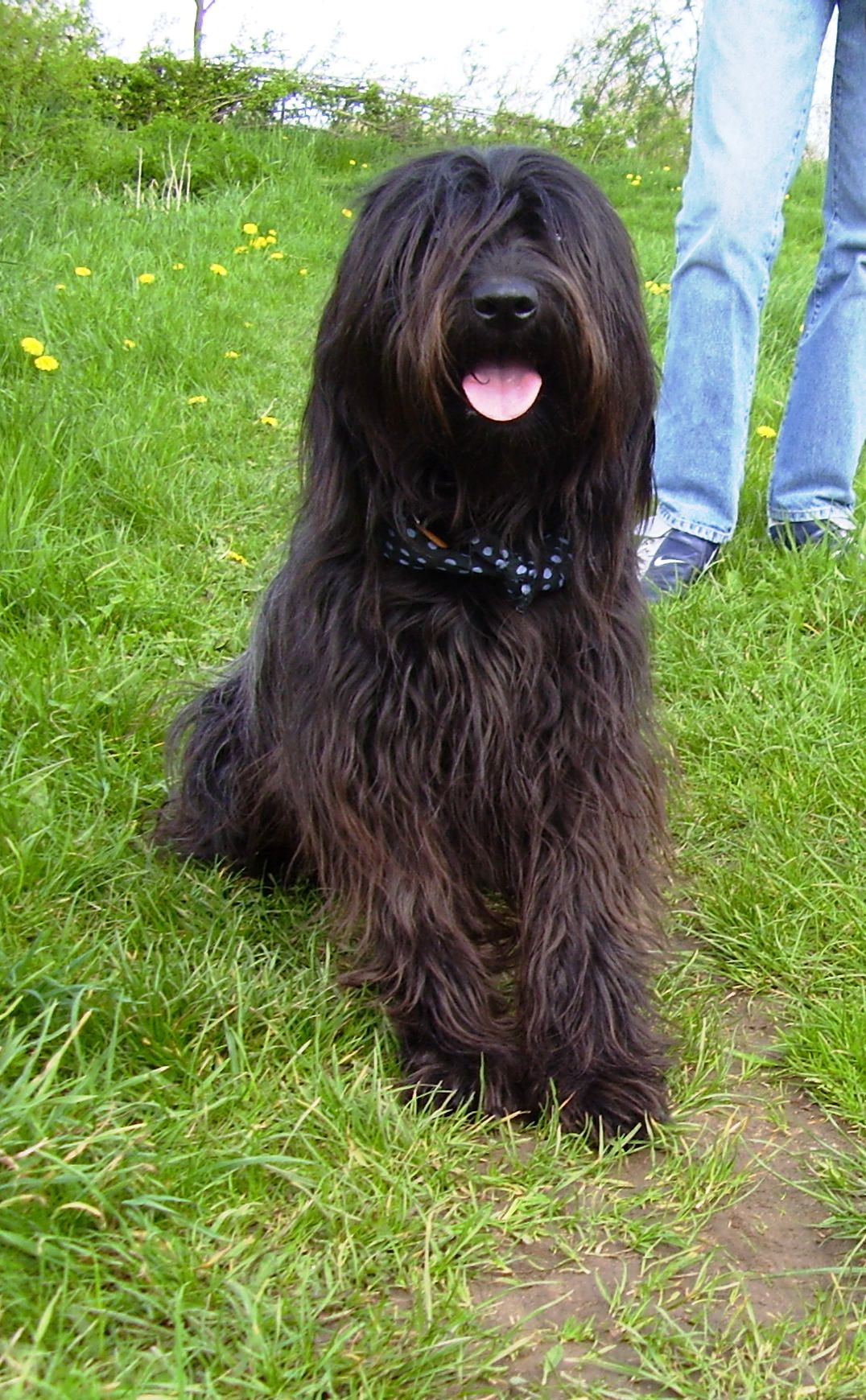
From a distance the coat may look like one colour, but close inspection reveals mixed hairs creating fawn, sable or grey shades. Rough long hair forms beard, moustache and brows, while the eyes should remain visible. The undercoat is especially full towards the rear.
A distinctive seasonal observation
The standard notes that shedding can first affect the front and then the rear, briefly creating two different-looking coat areas. That is an interesting breed observation, not a diagnosis for every uneven coat. Itching, soreness or unexplained bald patches deserve veterinary attention.
A thoughtful herder's care routine
The breed ideal combines active intelligence with devotion and possible reserve towards strangers. Build short, rewarding handling sessions and gentle checks through the long coat. Allow a groomer time to meet the individual dog, and agree a practical routine that keeps eyes clear and the body comfortable.
Plan comfortable care
Our gentle coat-care guide and first grooming appointment guide help you prepare questions about handling, maintenance and a suitable service. This breed profile is independent of named businesses.
Photograph and sources
The photograph illustrates one Catalan Sheepdog. See the linked credit for its creator, source and reusable licence. It does not establish the dog's health, age or temperament.
Read the FCI catalogue entry and FCI breed standard. General care and handling guidance is available from PDSA and Dogs Trust.