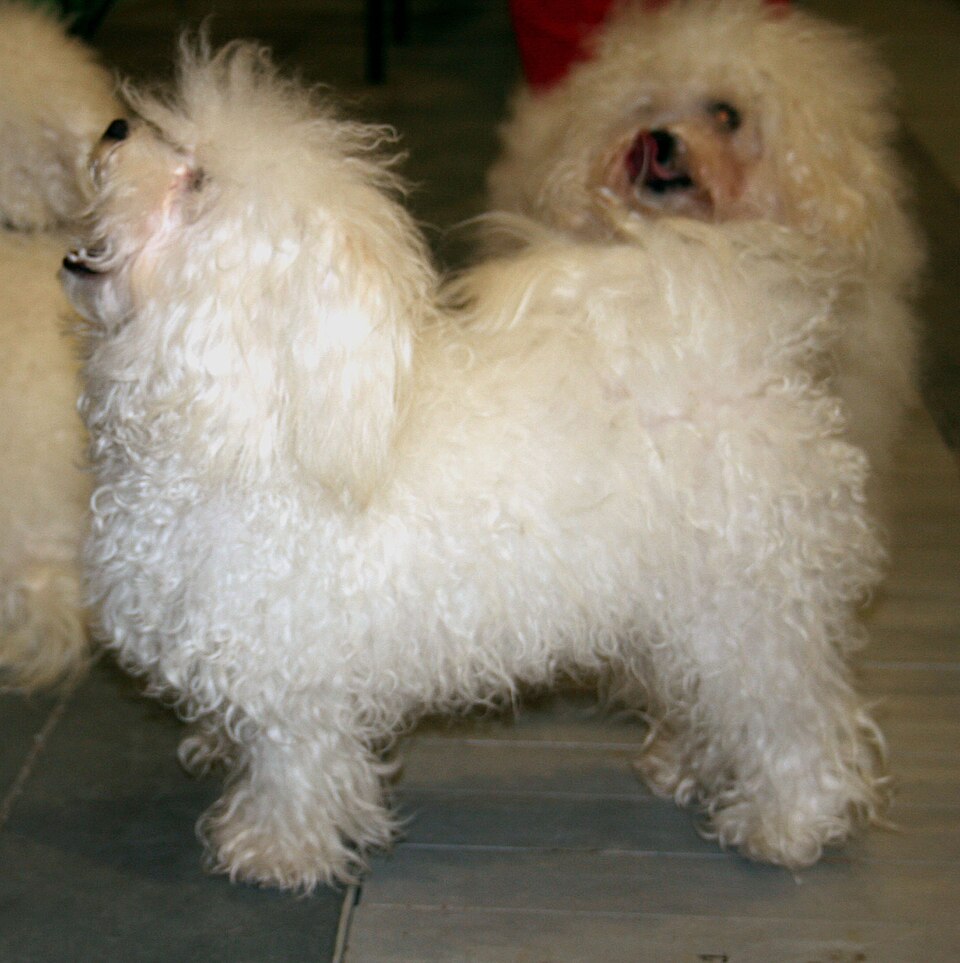
A little companion in a much larger history
The Bolognese has Italian roots and a long association with companion dogs exchanged among influential European families. The FCI history links it with older Mediterranean toy-dog traditions and mentions its appearance in paintings. Those historical connections are fascinating, while the exact relationship between ancient small dogs and modern breeds is less tidy than a single uninterrupted family tree.
Living with the individual dog
The small outline can make it easy to overlook a dog's preferences. Offer suitable walks and games, let it rest undisturbed and introduce independence gradually. When meeting a prospective companion, ask how it handles grooming and changes of routine rather than assuming a quiet breed description fits every individual.
Character and behaviour
The standard describes a calm companion closely attached to its people. Activity, confidence and tolerance of being alone differ between dogs and need individual consideration.
Breed descriptions are broad tendencies. An individual dog's behaviour also reflects experience, training and circumstances.
Care in daily life
Separate the coat gently and check close to the skin for hidden tangles. Discuss a manageable length with a groomer and practise short combing sessions between appointments. Keep care comfortable, especially around the face, and seek help rather than pulling through tight knots.
Care depends on the individual dog. If you notice a skin or health problem, speak to a vet.
Sources and review
These sources informed GroomNear's original summary. Place of origin does not describe where most dogs of this breed live today; reliable worldwide breed counts are not available for every breed.