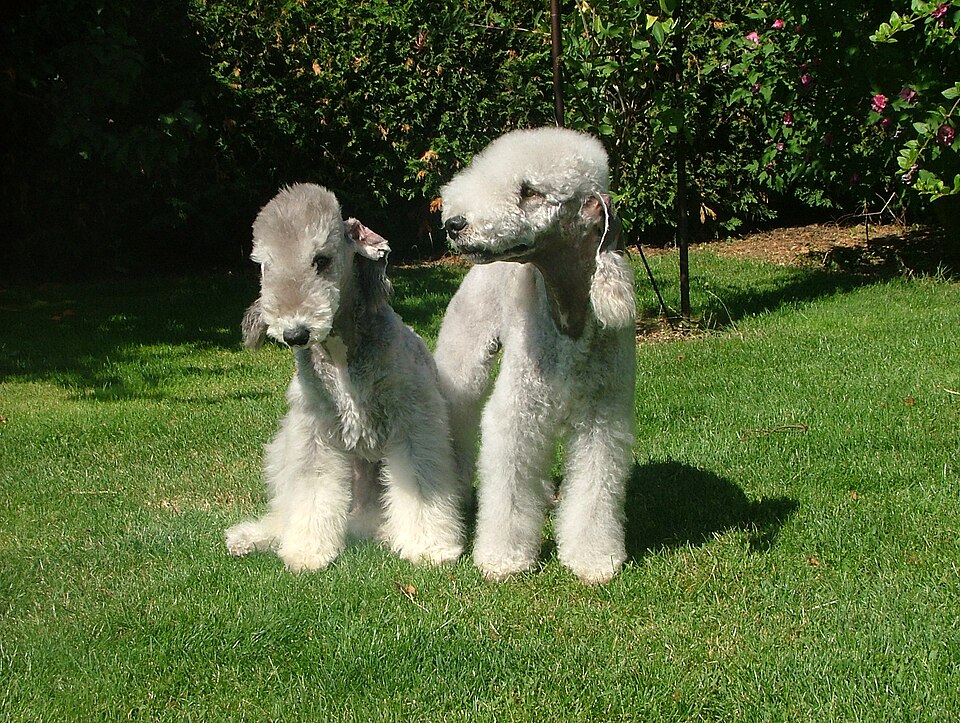
A northern terrier beneath a gentle outline
The Bedlington was once called the Rothbury Terrier and is associated with former mining districts in northern England. Its early work included catching rabbits; a breed association followed in 1877. The curved outline and pale topknot may suggest a very different animal, but the history is firmly that of an agile sporting terrier.
Living with the individual dog
The attractive silhouette is only one part of the dog. A Bedlington may enjoy active exploration and retain an interest in movement, so plan safe exercise and thoughtful introductions. A comfortable pet style can be discussed on its own merits: a show outline is not a measure of how well a household cares for its dog.
Character and behaviour
The standard describes confidence, affection and sporting instincts beneath a mild expression. Individual temperament varies, and a soft-looking coat does not remove the need for careful training.
Breed descriptions are broad tendencies. An individual dog's behaviour also reflects experience, training and circumstances.
Care in daily life
Comb through carefully and arrange suitable trimming with a groomer who understands the coat. Check the legs, chest and areas where a harness rubs. Do not pull through tight matting; ask for help and choose comfort over preserving a particular outline.
Care depends on the individual dog. If you notice a skin or health problem, speak to a vet.
Sources and review
These sources informed GroomNear's original summary. Place of origin does not describe where most dogs of this breed live today; reliable worldwide breed counts are not available for every breed.