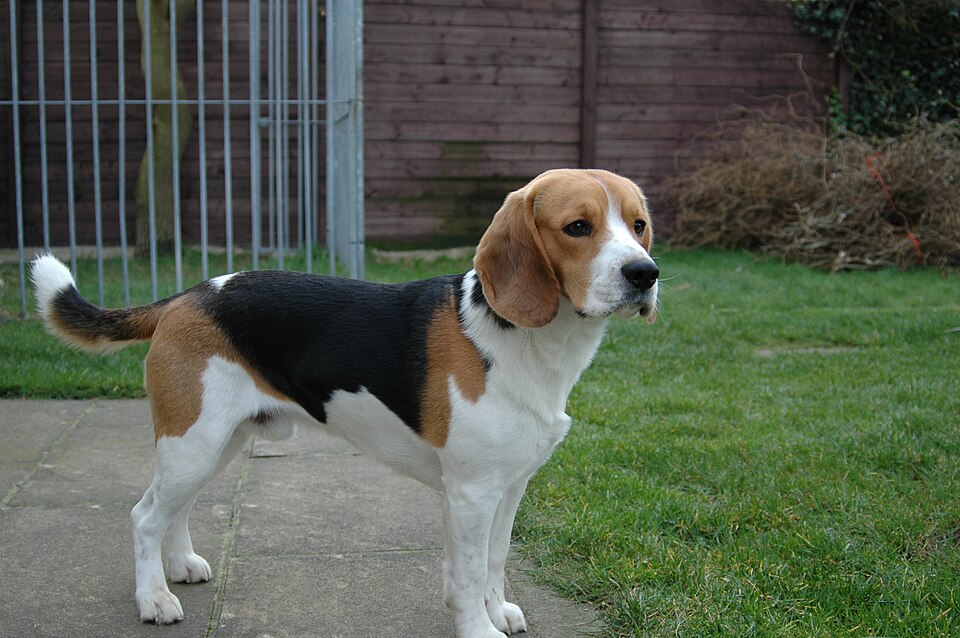
A story best followed nose first
The Beagle developed as a scent hound, traditionally following hare in packs with people on foot. The FCI history describes its relationship to larger hounds and the changing sizes found in earlier accounts. Today's compact outline can look straightforward, but it belongs to a dog selected for determined scent work and stamina.
Living with the individual dog
A walk may be full of information that a person never notices. Give sniffing a place in the routine and practise recall in secure surroundings before relying on it elsewhere. Reward-based learning and a safe environment are more useful than expecting the dog to stop being interested in scent.
Character and behaviour
The standard describes an active, determined and generally amiable hound. Actual sociability, vocal habits and confidence vary with the individual dog's life and experience.
Breed descriptions are broad tendencies. An individual dog's behaviour also reflects experience, training and circumstances.
Care in daily life
Use a gentle brush to remove loose hair and check the coat and paws after outings. Introduce ear and nail checks calmly, without forcing the dog to stay still. Ask a professional to demonstrate anything you are unsure about; a short coat still needs regular attention.
Care depends on the individual dog. If you notice a skin or health problem, speak to a vet.
Sources and review
These sources informed GroomNear's original summary. Place of origin does not describe where most dogs of this breed live today; reliable worldwide breed counts are not available for every breed.