
A voice people remember
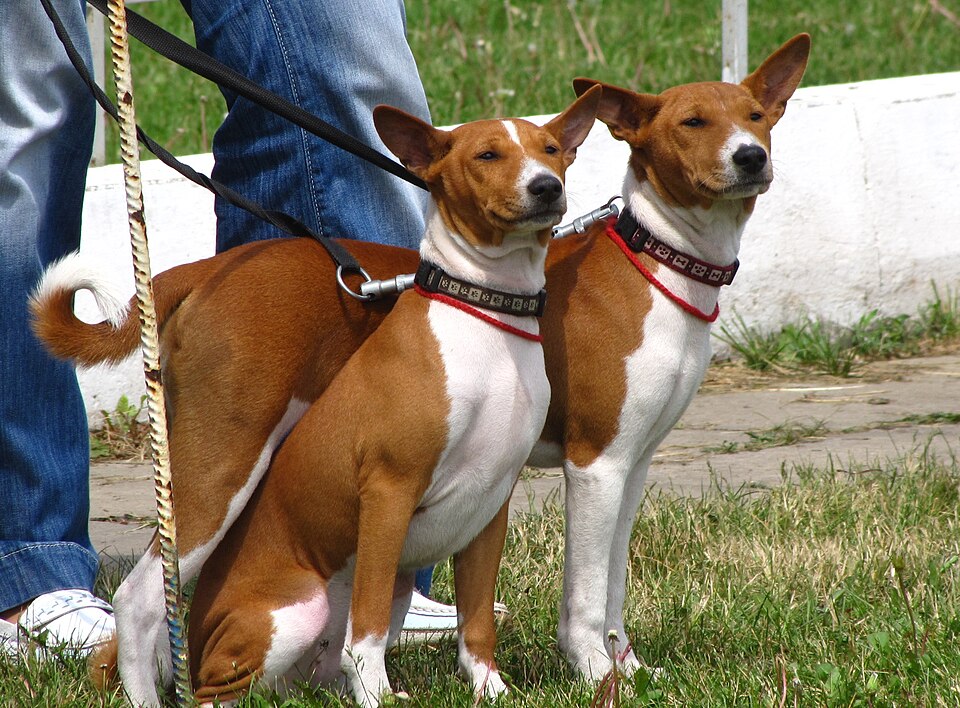
The Basenji's history is connected to hunting dogs of central Africa. Dogs imported from the Congo region helped establish the breed in Britain in the 1930s. It is often introduced as the dog that does not bark, but that phrase can mislead: Basenjis make sounds, including the distinctive yodelling call for which they are known. It is a wonderful detail to learn, not a promise of a quiet household.
Small coat, real care
The short, fine coat makes this a different grooming proposition from a long-coated hound. Gentle brushing can remove loose hair and create a chance to check the skin. Nails, ears and comfortable handling still need attention. A dog with little visible coat work can nonetheless have clear preferences about being touched, so an unhurried routine matters.
Beyond the shorthand
Descriptions of Basenjis often mention independence, and their hunting history helps explain the association. Yet behaviour is never fixed by a breed page. Experience, training, environment and health all play a part. Watch the individual dog: what draws its attention, what helps it settle, and how does it show discomfort? Those observations are more useful than a colourful label when choosing care or activities.